
A visual mind
A wedding designer is interested in decoration, art, colours, materials, images and atmosphere. Their mind often connects ideas quickly and imagines how spaces could be transformed.
What does a wedding designer really do? What skills are needed to design a wedding atmosphere, create a coherent visual identity, manage decoration logistics and build a professional activity? This wedding designer career profile gives you a clear overview before exploring each topic in more detail.
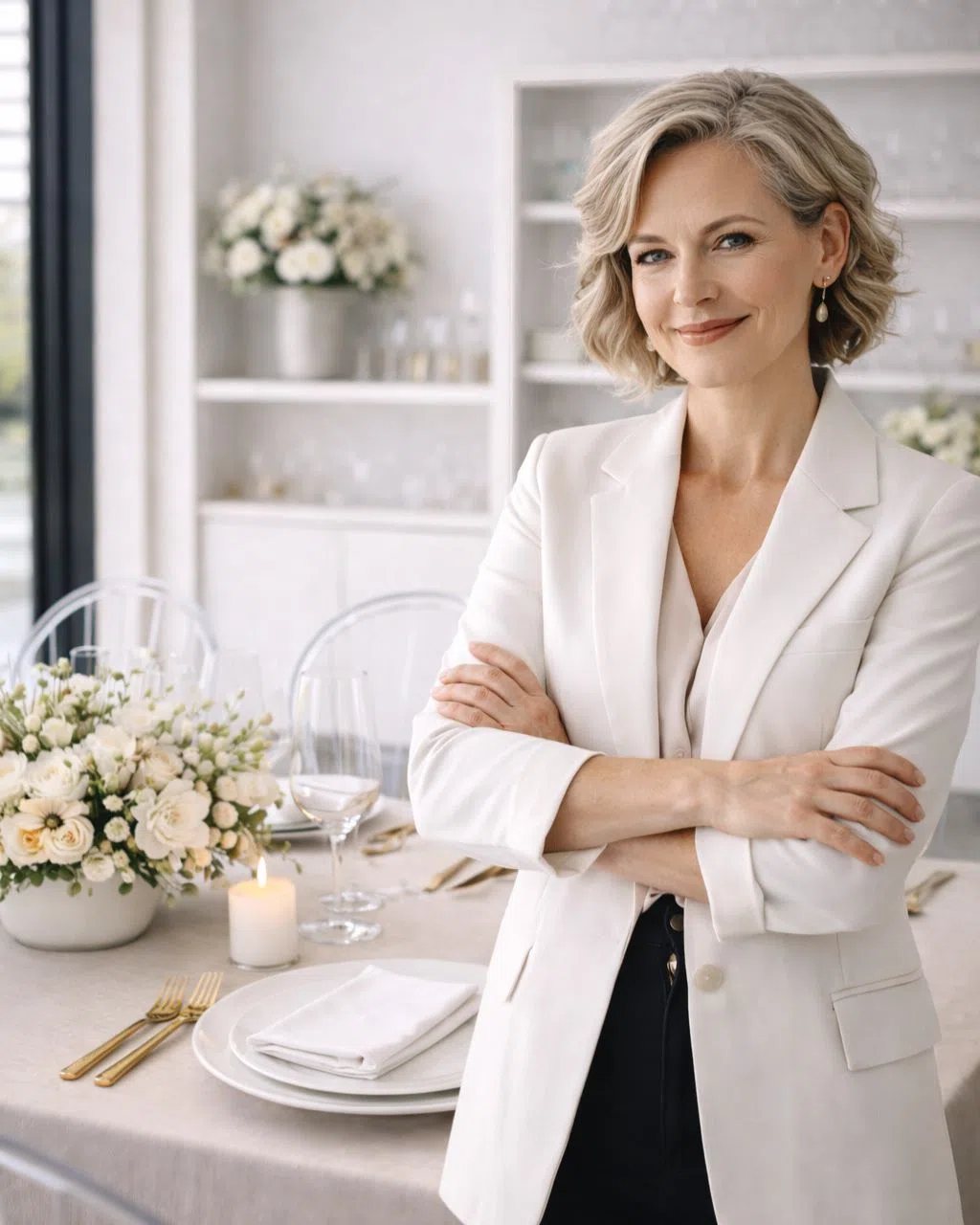
A wedding designer is an event decoration professional specialised in private receptions and, more specifically, in weddings. This specialisation matters because wedding decoration has its own codes, emotional context, technical constraints and client expectations.
The wedding designer creates the visual and decorative universe of the wedding. Their role is not limited to choosing pretty objects or placing flowers on tables. They design the atmosphere, define the event identity, build a coherent visual direction and imagine how each area of the venue will support the couple’s story.
This can include ceremony design, arch decoration, table design, seating plan staging, guest book area, photobooth, sweet table, signage, lighting intentions, floral direction, material choices, colour palette and overall scenography. The wedding designer often collaborates with florists, graphic designers, rental companies, lighting professionals, venues and planners.
The profession is younger and still less common than wedding planning in many markets. For a long time, wedding decoration was associated with florists, general event decorators or wedding planners. Today, wedding design is becoming a more distinct profession, with its own tools, methods and creative standards.
A wedding designer must understand beauty, but also space, budget, materials, logistics, installation timing and safety. A decorative concept is only professional if it can be produced, installed, supervised and dismantled under real event conditions.
The job also requires strong presentation skills. Clients often need to visualise the future decor before it exists. Moodboards, colour palettes, sketches, layout plans, digital drawings and 3D views help transform an idea into something concrete, understandable and reassuring.
This page is a starting point. Each section à personality, missions, skills, training, salary, business management or opportunities à can become a dedicated article for learners who want to go deeper into the wedding designer profession.

The expression “wedding designer” was already used in the United States before becoming more visible in France and Europe. When IWI began working on this field in 2010, wedding decoration training was often limited to table decoration, balloon structures or small decorative objects. The goal was to create a more professional approach.
At that time, wedding decoration was often managed by florists or wedding planners. People interested in wedding decoration frequently trained as wedding planners because the specialised identity of the wedding designer was not yet clear enough.
Since then, the profession has evolved significantly. Many wedding planners who started before the development of the wedding designer profession later specialised in decoration and gradually moved away from organisation. This shows that wedding design has its own value, its own expertise and its own market.
The recognition of the profession continues to grow as couples become more demanding about visual coherence, venue transformation, immersive experience and quality of presentation.
A wedding designer is usually creative, sensitive to beauty and highly responsive to visual details. But beyond creativity, the profession also requires empathy, adaptability and the ability to work under event pressure.
A wedding designer is interested in decoration, art, colours, materials, images and atmosphere. Their mind often connects ideas quickly and imagines how spaces could be transformed.
Unlike highly linear profiles, a designer often enjoys improvisation and adaptation. They must respond to venue constraints, client changes and installation realities.
Wedding design is not personal artistic expression only. The designer must understand the couple’s story, tastes, emotions and limits before creating a concept.
The wedding context is unique. A designer must understand the emotional dimension of the day and create an atmosphere that feels meaningful, elegant and coherent.
The wedding designer’s missions cover the full decorative and visual direction of the wedding. Depending on the service, they may advise, design, source, budget, present, coordinate suppliers, supervise installation and manage dismantling.
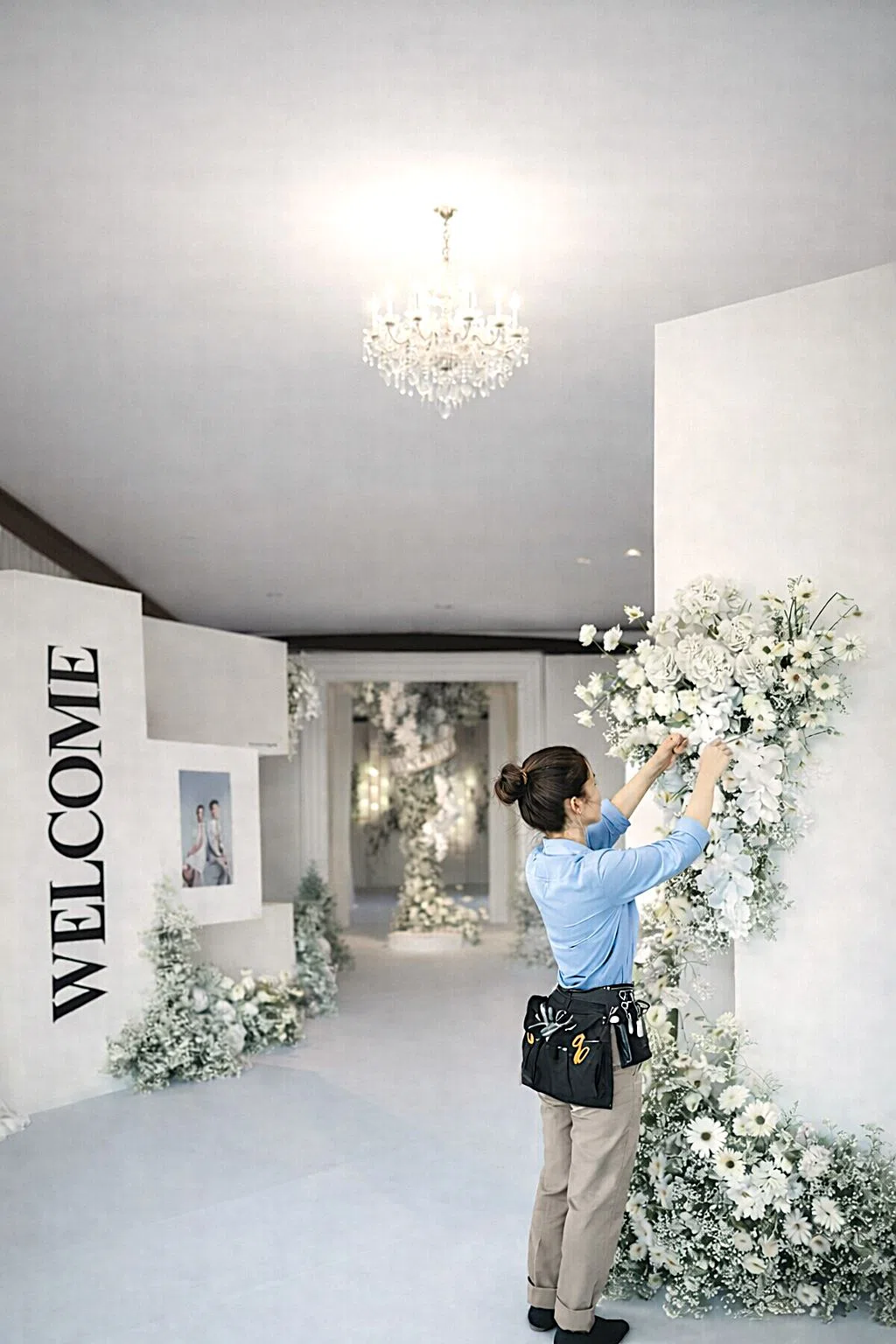
Wedding design requires artistic sensitivity, but it also requires method, tools and project management. The designer must be able to imagine, explain, budget and implement a coherent decoration project.
The designer must understand styles, wedding trends, colour theory, materials, textures, table art, decorative codes and how wedding aesthetics differ from general art history.
Moodboards, sketches, digital drawing, 3D modelling and layout plans help clients visualise the project and help the designer reveal space or technical issues early.
The designer must plan, budget, source, organise suppliers, manage timing, coordinate installation and supervise dismantling with professional reliability.
Wedding decor must respect venue limitations, safety rules, lighting, circulation, dimensions, weather, timing and the practical reality of an event setup.
A wedding designer may collaborate with floral designers, graphic designers, stationers, rental companies, lighting professionals, venues and wedding planners.
Pricing, sales, communication, profitability, contracts, brand identity and client experience are essential because many designers work independently.
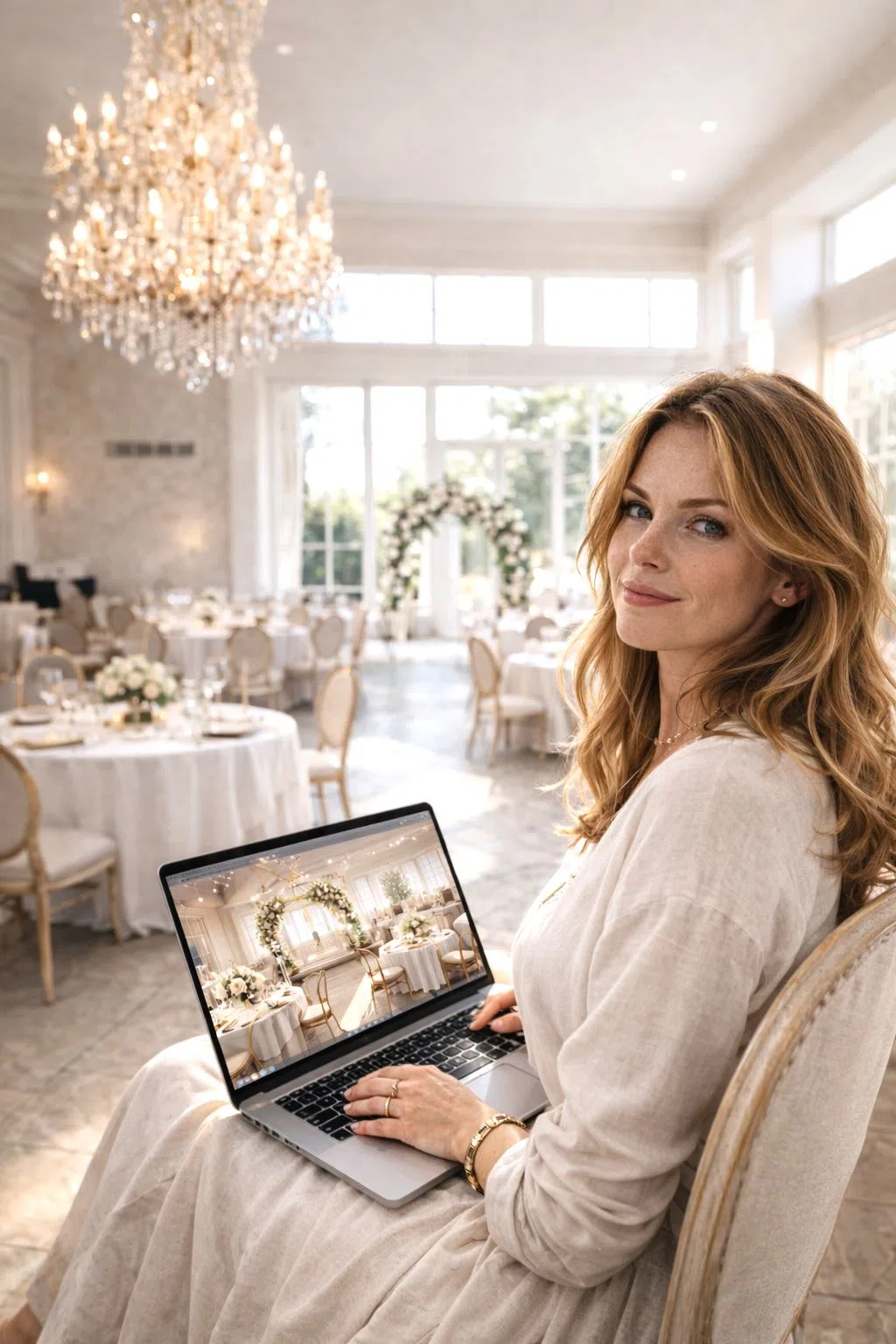
In most cases, a wedding designer launches their own activity. This means that creative skill must be supported by commercial and entrepreneurial competence. The designer must know how to define services, estimate prices, present value and sell a decoration project professionally.
Communication is also essential. A wedding designer’s work is visual, so brand image, portfolio, website, social media, digital communication and graphic consistency are part of the business strategy. Mastering tools such as image editing, presentation software, layout tools or design software can become a significant advantage.
Finally, the designer must understand basic business management: expenses, margins, purchases, rentals, cash flow, profitability and administrative organisation. A creative business remains a business, and the beauty of the final decor must be supported by a sustainable economic model.
A future wedding designer may come from art, decoration, event communication, event project management, hospitality, floral design, retail design or another creative field. Specialised training helps connect this background to the specific codes of wedding design.
Wedding decoration has changed significantly. It is no longer limited to table setting, balloons or small decorative objects. Couples expect coherence, atmosphere, quality, visual storytelling and professional presentation. This evolution makes specialised wedding designer training increasingly important.
A short but professional training programme can help learners understand the difference between decoration and design, learn how to build an event identity, use colour and style codes, create a project presentation and manage the logistics behind the decor.
The goal is not to remove creativity, but to structure it. A trained wedding designer can better analyse a venue, explain choices, control the budget, collaborate with specialists and defend the value of their creative work.
Because the profession is still developing, a certification can help clarify the skills acquired and support professional credibility. It can also help future clients understand that wedding design is a technical and creative profession, not simply a matter of taste.
Within the IWI ecosystem, wedding designer training can be connected to a broader professional path that includes wedding design expertise, project management, commercial skills, entrepreneurship and digital tools.
The most useful training is the one that helps learners produce real professional outputs: moodboards, colour palettes, design briefs, layout plans, visual presentations, supplier logic, installation methods and business foundations.
Like wedding planners, many wedding designers develop their activity independently. However, employment and collaboration opportunities can be broader because decoration and visual design connect with many event-related businesses.
The most common path is to create an independent business, define a clear aesthetic positioning, build a portfolio and sell decoration services directly to couples or in collaboration with planners and venues.
A designer may work with a wedding planning agency, an event agency or a creative studio to support visual concepts, styling proposals, decor logistics and client presentations.
Reception venues, catering companies, furniture rental businesses and hospitality brands may need decoration expertise to improve client experience and visual presentation.
“The wedding designer profession grows wherever couples expect more than decoration: they expect a complete visual experience.”
Estimating the average salary of a wedding designer is difficult because many professionals work independently. Their income depends on pricing, number of projects, decor budgets, margin, rentals, purchases, expenses, taxes and complementary activities.
A wedding designer’s remuneration may come from design fees, project management fees, margin on purchases, rental management, installation supervision or complete decor packages. This means that the final income is not only linked to the number of weddings, but also to the economic structure of each project.
For example, a designer working on around twenty decor projects per year may build a comfortable activity if the projects are well priced and margins are controlled. But income can vary significantly depending on the market, the level of service, the amount of material handled, the number of collaborators and the positioning of the brand.
Complementary activities can also influence revenue: wedding planning, small decor items, workshops, corporate events, styling for venues, rental catalogues or creative consulting. This is why salary should be analysed through a complete business strategy rather than a fixed number.
These short answers clarify the most common questions before reading deeper articles about the profession.
No. A wedding planner focuses mainly on organisation, project management and coordination. A wedding designer focuses on the visual identity, decoration, atmosphere, scenography and installation of the wedding. Some professionals offer both services, but they are distinct skills.
Artistic sensitivity is useful, but professional wedding design is not only art. It requires client understanding, style culture, colour theory, project management, budgeting, sourcing, logistics and the ability to create a feasible decor concept.
The main missions include defining the event identity, advising on colours and atmosphere, creating moodboards, designing decor elements, sourcing suppliers, preparing layout plans, budgeting the project, supervising installation and managing dismantling.
Many wedding designers work independently, but employment or collaboration opportunities may exist with event agencies, wedding agencies, venues, rental companies, caterers, restaurants, hospitality brands or creative studios.
Discover the WedSKILLS® programme, start with a free account or compare this career with the wedding planner profile to choose the path that best matches your creative and professional project.