
Wedding trends in 2025 reflect a clear shift in the way couples define a successful celebration. They want more than a beautiful event. They want a wedding that feels personal, responsible, immersive, and emotionally aligned with their values. For a professional wedding planner, this creates both an opportunity and a responsibility: trends should not be copied superficially, but translated into meaningful planning decisions.
The couples shaping the 2025 wedding season are often looking for authenticity, elevated guest experience, flexibility, and a stronger sense of identity. They may care about sustainability, intimate formats, destination-style atmospheres, digital convenience, or highly personalised design. The role of the planner is to understand these signals and guide each couple toward choices that fit their story, budget, venue, and priorities.
This guide explores the most important wedding trends 2025 and explains how planners can use them strategically. It is not a list of decorative ideas. It is a professional lens on how the market is evolving and how a Wedding Planner can respond with creativity, structure, and business intelligence.
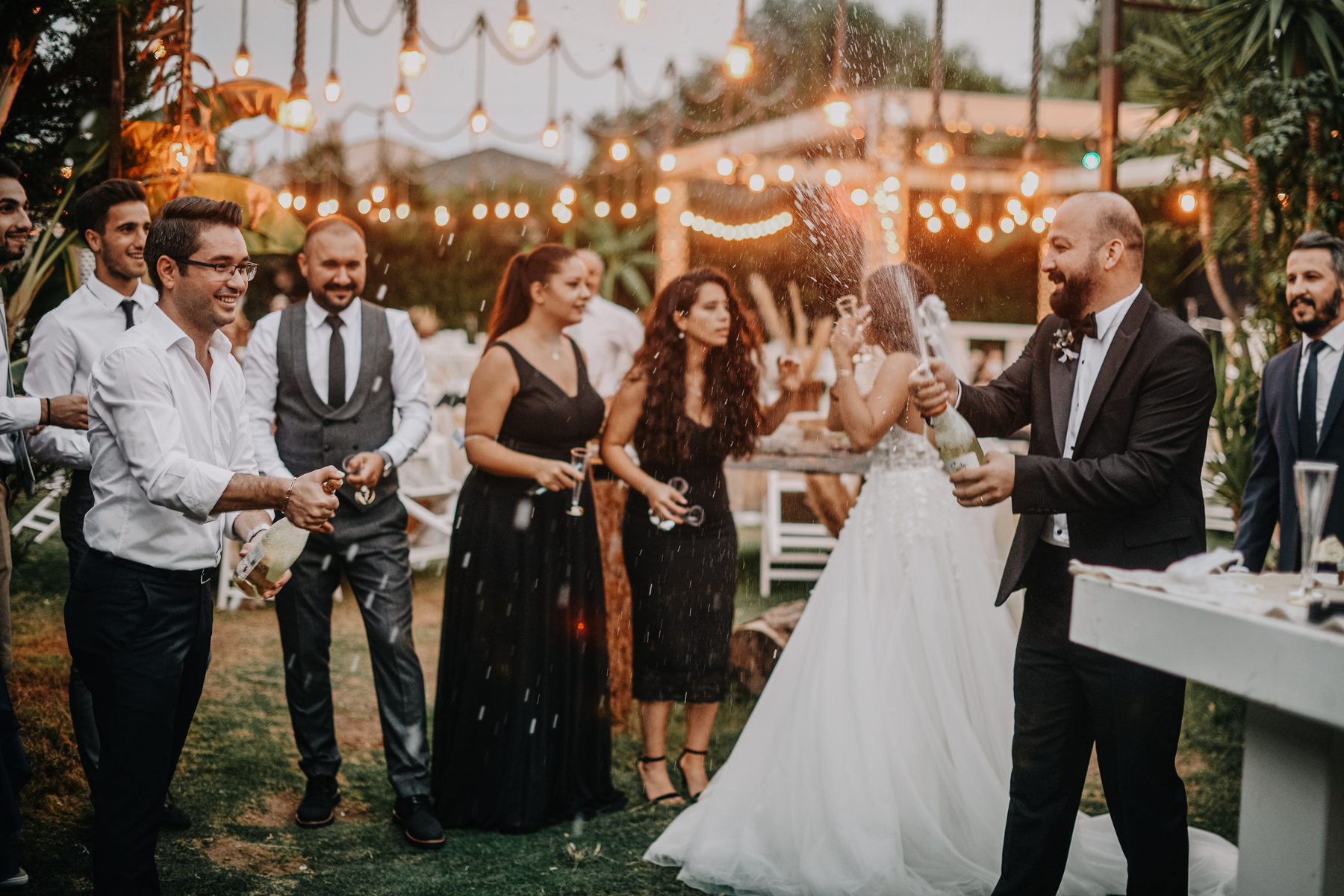
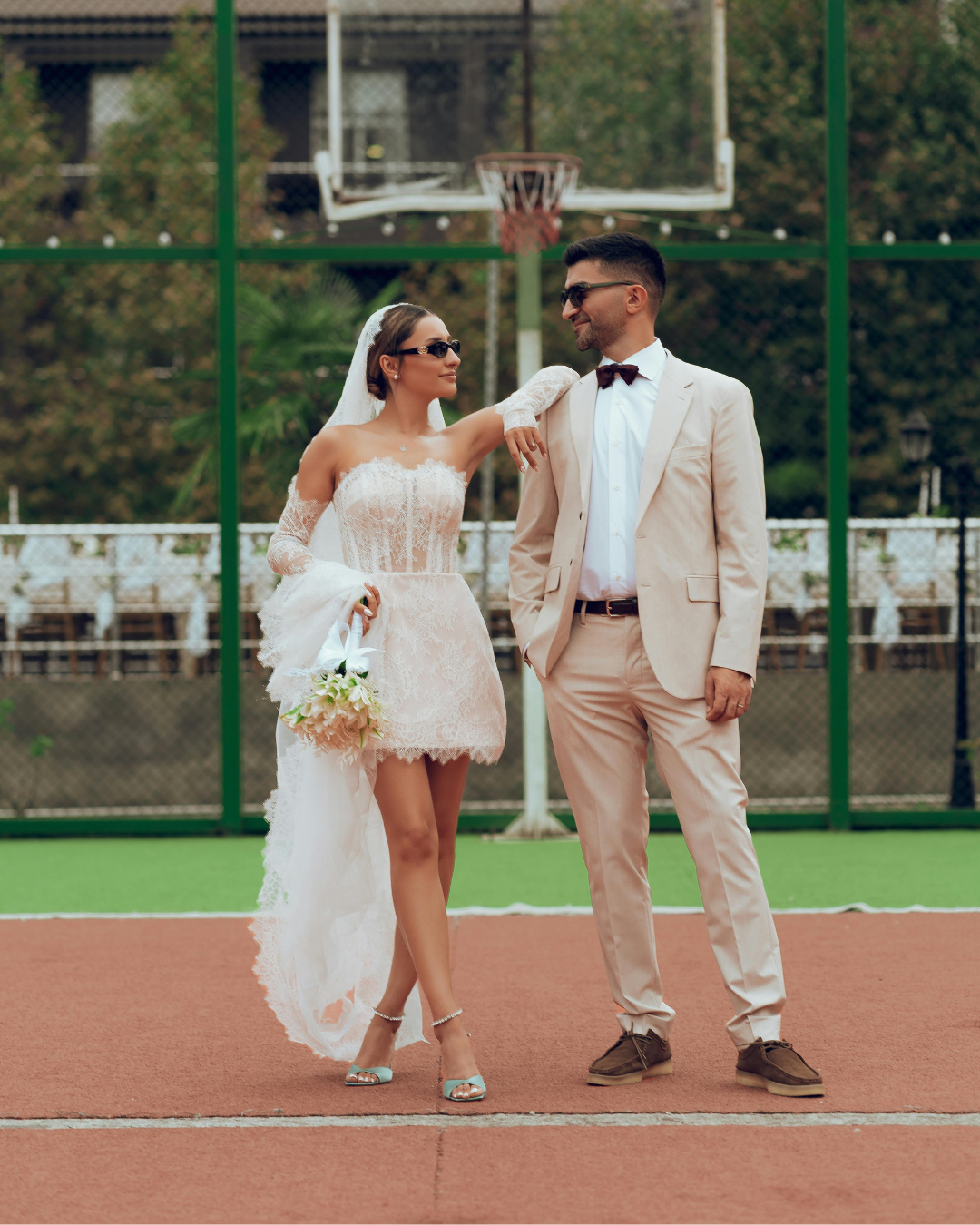
1. Eco-friendly weddings move from trend to expectation
Sustainability is no longer a marginal topic in the wedding industry. Many couples want their celebration to feel beautiful without ignoring environmental responsibility. This can influence venue choice, transport, catering, floral design, stationery, waste management, fashion, and guest gifts. The challenge for planners is to make responsible choices feel elegant rather than restrictive.
An eco-friendly wedding does not need to look rustic unless that is the couple’s style. It can be refined, luxurious, modern, romantic, or minimalist. The key is to reduce unnecessary waste, prioritise quality over excess, work with local suppliers when possible, and make design choices that can be reused, repurposed, rented, or donated.
For planners working with corporate-style or large-scale event partners, environmental frameworks such as ISO 20121 and ISO 14001 can provide useful reference points. Broader CSR commitments also help explain why sustainability is part of professional event management rather than a decorative theme. For wedding-specific inspiration, planners can connect this topic with practical guidance on organising an eco-friendly wedding.
2. Couples want immersive guest experiences
In 2025, couples are increasingly interested in weddings that feel like complete experiences rather than a sequence of expected moments. They want guests to remember how the day felt, not only how it looked. This creates demand for thoughtful transitions, storytelling, sensory details, live performances, meaningful rituals, welcome moments, interactive food concepts, and atmosphere design.
An immersive wedding experience starts before the ceremony. The invitation, wedding website, welcome message, accommodation guidance, dress code, and arrival experience already shape the guest’s emotional entry into the event. During the wedding, lighting, music, scent, service rhythm, seating layout, and entertainment all contribute to the same narrative.
The planner’s role is to prevent the experience from becoming fragmented. If the couple wants a cinematic garden celebration, every choice should support that direction: stationery, flowers, dinner pacing, ceremony tone, music, and photography schedule. Immersion is created by coherence.
3. Ultra-personalisation becomes a core planning principle
Personalisation has been discussed for years, but wedding trends 2025 push it further. Couples are less interested in generic packages and more interested in decisions that reflect their history, culture, humour, taste, values, and lifestyle. This can appear in custom vows, signature cocktails, family recipes, meaningful music, symbolic rituals, handwritten notes, curated guest gifts, or location choices with personal significance.
For wedding planners, the opportunity is to create a discovery process that uncovers what matters. Ask questions beyond colours and budget. How do they want guests to feel? What do they want to avoid? Which moments are emotionally essential? What does hospitality mean to them? Which traditions feel meaningful, and which feel automatic?
Personalisation should be managed with restraint. Too many scattered ideas can weaken the event. The planner must edit. A few intentional details will feel more premium than a long list of disconnected references. The goal is not to turn the wedding into a catalogue of personal facts, but to create an experience that feels unmistakably theirs.
4. Design balances minimalism and theatrical impact
Two visual directions can coexist in 2025. On one side, many couples are drawn to refined minimalism: clean lines, strong materials, monochrome palettes, elegant stationery, and intentional negative space. On the other side, dramatic focal points remain powerful: suspended florals, sculptural ceremony installations, immersive lighting, bold tablescapes, and statement entrances.
The most successful designs often combine restraint and impact. Instead of decorating every corner, planners can focus investment on moments that guests will remember and photographs will capture beautifully. A ceremony arch, a dinner table installation, a lighting transition, or an editorial cake display can carry more value than excessive décor spread thinly across the venue.
Design trends should always be filtered through the couple’s venue and budget. A theatrical concept in the wrong space can feel forced. A minimalist concept without texture can feel empty. The planner’s expertise lies in translating inspiration into proportion.
5. Micro weddings and destination-style celebrations keep evolving
Micro weddings remain relevant because they answer several modern priorities at once: intimacy, budget control, guest connection, and meaningful experience. Couples may choose a smaller celebration so they can invest more in venue, food, photography, music, fashion, or travel. The format is especially attractive to clients who want depth rather than volume.
Destination weddings are also evolving. Many couples want the feeling of a destination wedding without necessarily choosing a complicated international event. This can mean a weekend in a meaningful region, a private estate, a countryside retreat, a seaside celebration, or a city escape that feels immersive and different from daily life.
For planners, these formats require careful logistics. Guest travel, accommodation, welcome experiences, supplier access, weather planning, and multi-day timelines become central. A smaller guest count does not remove complexity. It changes the type of complexity.
6. Digital tools support planning, but human guidance remains essential
Digital planning tools continue to influence the industry. Couples use wedding websites, online RSVP systems, budget tools, shared planning platforms, digital moodboards, and messaging apps. Artificial intelligence and augmented reality may also support visualisation, inspiration, guest communication, or creative exploration.
However, digital convenience does not replace professional judgment. Couples may have more information than ever, but that does not mean they have clarity. A planner helps them prioritise, interpret supplier proposals, manage expectations, sequence decisions, and make choices that are realistic for the event. Technology is useful when it simplifies the process. It becomes a problem when it adds noise.
The best planners will combine digital efficiency with human sensitivity. They will automate what should be simple and remain deeply present where emotion, taste, negotiation, and logistics require experience.
7. How planners can turn trends into stronger business strategy
Wedding trends are valuable only when they help planners serve clients better. A professional should not chase every idea. Instead, select the trends that match your brand, your market, your supplier network, and your ideal clients. If your positioning is premium and editorial, immersive design and ultra-personalisation may be central. If your brand is responsible and values-led, sustainability and local sourcing may become signature strengths.
Use trends to create content, not just services. Blog articles, social posts, venue guides, checklists, and planning resources can educate couples while improving search visibility. A planner who explains trends intelligently builds authority. A planner who only reposts inspiration images may struggle to show the depth of their expertise.
Finally, trends should influence your client journey. Update your questionnaires, supplier lists, planning templates, design presentations, and consultation questions. The goal is to make your process feel current without becoming unstable. Couples want fresh ideas, but they also want reassurance.
8. Translate trends into client education
One of the most effective ways to use wedding trends is to turn them into client education. Couples may see hundreds of ideas online, but they often need help understanding which ones are realistic, meaningful, and worth the investment. A planner can create value by explaining the difference between inspiration and execution, then guiding the couple toward decisions that will work in the real conditions of their wedding.
This educational role also supports conversion. When your blog content, consultations, and planning materials help couples feel more informed, they begin to associate your brand with clarity rather than pressure. That is especially important for trends such as sustainable sourcing, immersive design, micro weddings, and digital tools, where clients may be interested but unsure how to begin.
FAQ: Wedding trends 2025
Are eco-friendly weddings still a major trend in 2025?
Yes. Eco-friendly weddings continue to grow because many couples want to reduce waste, choose responsible suppliers, and create celebrations aligned with their values while maintaining a beautiful guest experience.
What does an immersive wedding mean?
An immersive wedding is designed as a complete guest experience. It uses atmosphere, storytelling, music, lighting, service, food, rituals, and transitions to create a celebration that feels coherent and memorable.
How can wedding planners use trends without copying everyone else?
Planners should filter trends through the couple’s story, venue, budget, culture, and priorities. The best trend application feels personal and purposeful, not copied from a moodboard.
Do digital tools reduce the need for a wedding planner?
No. Digital tools can make planning more efficient, but they do not replace professional guidance, supplier judgment, emotional support, timeline management, or wedding day coordination.
Final thoughts
Wedding trends 2025 show a market that values meaning, responsibility, experience, and individuality. For planners, this is an invitation to move beyond surface inspiration and develop a more strategic service. The most successful professionals will know how to translate trends into elegant decisions, clear processes, and memorable celebrations.
Couples do not need a planner who follows trends blindly. They need a planner who understands what those trends reveal about modern expectations. That is where creativity, method, and professional education from organisations such as International Wedding Institute can make a real difference.