Wedding Planner Training in Belgium: The Story of an International School Since 2013
A look at how wedding planner education in Belgium evolved from in-person sessions in Brussels to a more flexible international online model.
PublishedRead 9 minBy Anne-Marie MECHERI
Wedding planner training in Belgium has a particular history because the market is both local and international. Brussels, Wallonia, Flanders, and nearby destination wedding regions create a rich environment for future professionals who want to understand clients, venues, vendors, and cross-cultural expectations.
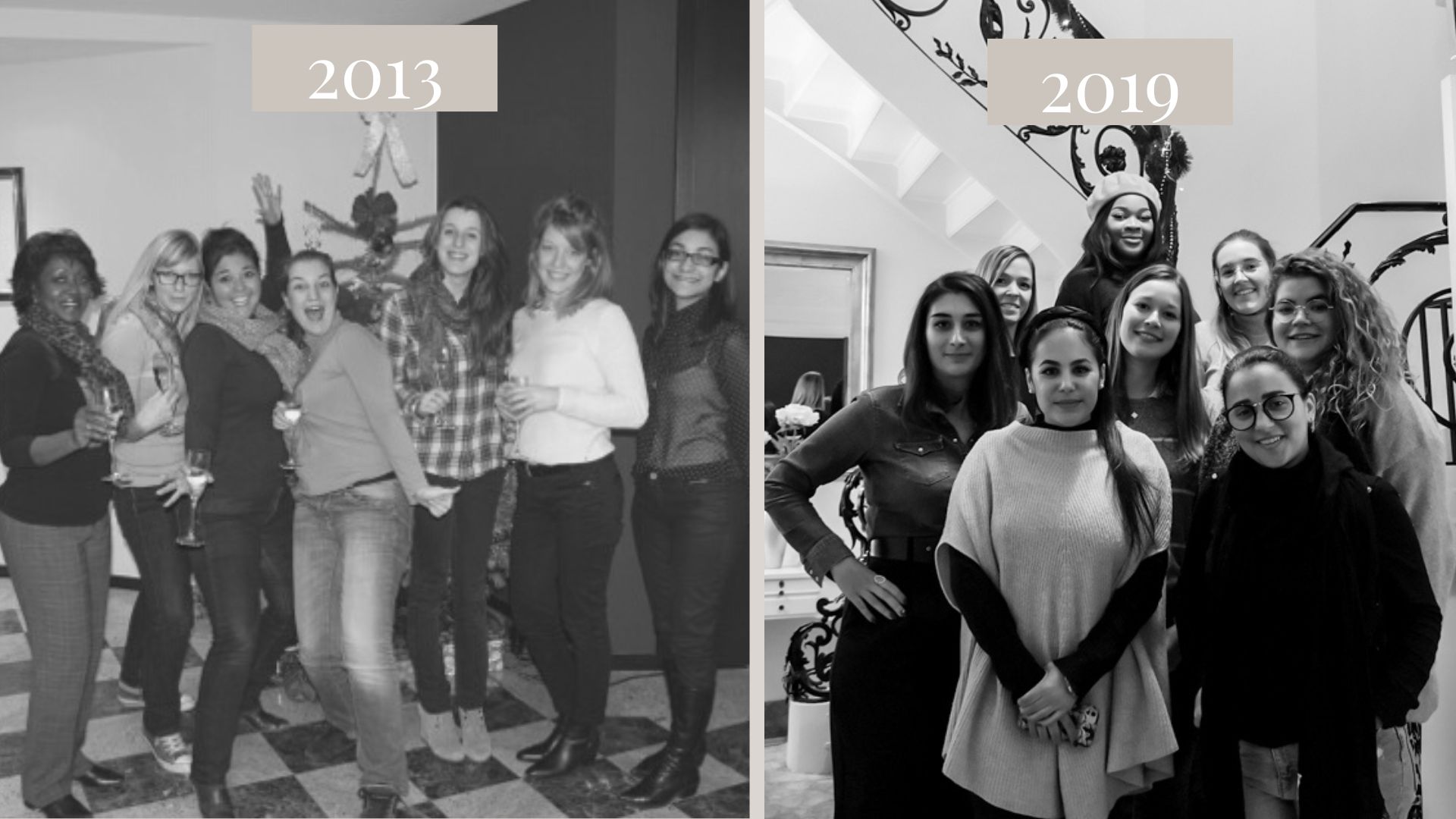
Since 2013, wedding education has evolved significantly. What began for many learners as in-person discovery has become more flexible, more digital, and more internationally connected. The objective remains the same: helping future planners acquire serious professional foundations before entering the market.
Where can future professionals find wedding planner training in Belgium?
Future professionals in Belgium can choose wedding planner training that combines industry knowledge, planning method, entrepreneurship, and client experience. Since the Belgian wedding market includes French-speaking, Dutch-speaking, and international couples, the most useful course is one that teaches practical planning skills while remaining flexible enough for different regions and career paths.
Wedding planner training classroom in Belgium for future wedding professionalsBelgian wedding planner students learning event organization and coordination
This guide revisits the role of wedding planner education in Belgium and explains what a learner should expect from a credible course today.
Why Belgium is an interesting market for wedding planners
Belgium offers a diverse wedding landscape. Couples may plan intimate civil ceremonies, elegant countryside receptions, multicultural celebrations, city weddings in Brussels, or cross-border events involving France, Luxembourg, or the Netherlands. This diversity creates opportunities, but it also requires adaptability.
A multicultural environment
Belgium’s wedding market often brings together different languages, family traditions, and expectations. A wedding planner must be able to listen carefully, clarify priorities, and coordinate vendors in a way that respects cultural nuance.
A strong need for organization
Even when couples want a relaxed celebration, wedding planning involves contracts, budgets, schedules, venue logistics, vendor communication, and contingency decisions. Professional training helps future planners understand the structure behind the emotional experience.
A bridge between local and destination weddings
Belgium is well positioned for couples who have connections across Europe. A Belgian wedding planner may need to work with international guests, destination-style expectations, or vendors located in different regions. This makes method and communication essential.
A market where credibility matters
Because wedding planning is an advisory service, clients look for reassurance. A future planner who can explain training, method, tools, and process will usually appear more credible than someone who relies only on passion for weddings.
What a strong wedding planner course should teach
A serious course should go beyond inspiration and pretty images. Future wedding planners need to understand the professional reality of the job: client journey, planning timelines, coordination, vendor relationships, entrepreneurship, communication, and problem-solving.
Wedding planning methodology
Learners should understand how to move from the first client conversation to the wedding day. This includes needs analysis, budget tracking, venue search, vendor selection, planning timeline, guest experience, and event-day coordination.
Client communication
Wedding planners manage emotions as much as logistics. A course should teach how to ask the right questions, write professional emails, conduct meetings, explain decisions, and maintain calm when expectations evolve.
Vendor and venue coordination
A planner must know how to collaborate with venues, caterers, photographers, florists, rental teams, stationers, officiants, and technical providers. The goal is to create shared clarity before the event, not to improvise on the wedding day.
Entrepreneurial preparation
Future independent planners need branding, pricing, legal awareness, contracts, business models, marketing, SEO, and client acquisition strategy. Training should connect the profession to the business behind it.
Practical tools and templates
Checklists, timelines, budget sheets, planning documents, and coordination tools help learners transform theory into professional habits. A course becomes more valuable when it shows how to work, not only what to know.
Questions to ask before choosing a course in Belgium
Does the course explain real wedding planning workflows from inquiry to wedding day?
Does it include business and entrepreneurship modules, not only creative inspiration?
Can learners adapt the method to Belgian regions and international clients?
Does the course provide tools, templates, exercises, or case studies?
Is there support or guidance when questions arise during the learning journey?
Does the tone of the course feel professional, ethical, and aligned with premium service standards?
From Brussels classrooms to international online learning
The growth of online wedding planner education changed access. Learners no longer need to wait for a session in one city to begin building skills. A well-designed online model can offer flexibility while keeping a professional framework.
Online learning supports different schedules
Many future wedding planners are changing careers, working alongside training, or building their project gradually. Online access allows them to learn at a sustainable pace while returning to lessons when needed.
International perspective strengthens the method
Wedding planning is local in execution but international in inspiration. A course connected to broader wedding industry standards helps learners understand premium client expectations, destination weddings, and professional communication beyond one city.
Support remains important
Flexibility should not mean isolation. Future planners benefit from guidance, structured exercises, examples, and a clear pedagogical path. The best learning experience combines autonomy with direction.
The Belgian story continues through new formats
The move from in-person sessions to online programs does not erase the history of wedding planner training in Belgium. It expands it, making professional education accessible to more learners while preserving the importance of method and credibility.
How to apply this guidance in a premium wedding business
The search intent behind wedding planner training in Belgium is rarely purely theoretical. Readers usually want to understand the topic, evaluate whether it applies to their own project, and decide what to do next. For a premium wedding professional, the strongest response is to transform information into a visible client experience: clearer pages, better conversations, more precise offers, and a calmer planning process.
Audit your current level of clarity
Start by reviewing how clearly you can explain this subject to a client, learner, or vendor. If your explanation of wedding planner training in Belgium changes every time you speak, the offer or method probably needs refinement. Write the explanation in one paragraph, then remove vague words until the value becomes obvious.
Create a simple decision path
Premium guidance is not about overwhelming someone with every possible option. It is about helping them move from uncertainty to a thoughtful decision. Present the essential criteria first, then add nuance, examples, and professional recommendations so the reader feels supported instead of pushed.
Connect the topic to real wedding situations
A strong article should always return to practical reality. Explain how wedding planner training in Belgium affects timelines, budgets, communication, client expectations, vendor collaboration, creative choices, or business confidence. This connection is what turns general advice into expertise that feels credible.
Review and improve after each season
The wedding industry evolves through experience. After each season, revisit your content, tools, and service language. Keep what helped clients understand you faster, remove what created confusion, and add the details that would have made your last project smoother.
Semantic angles to strengthen search visibility
To support SEO without forcing keywords, build a semantic cluster around related ideas such as wedding planner training Belgium, wedding planner course Brussels, wedding school Belgium, become a wedding planner, online wedding planner course, WedSKILLS. These connected terms help search engines understand the depth of the topic while giving readers a more complete and useful guide.
Informational intent
Informational searches come from readers who are trying to understand what wedding planner training in Belgium means, why it matters, and what mistakes to avoid. Answer these questions with definitions, examples, checklists, and clear explanations before introducing any offer or recommendation.
Comparison and decision intent
Decision-focused readers compare options. They want to know what is serious, what is superficial, what is worth paying for, and which path fits their situation. This is where transparent criteria, boundaries, and professional judgment create trust.
Soft conversion intent
Soft conversion happens when a reader feels understood enough to take the next step naturally. Instead of pushing, guide them toward a course, a consultation, a checklist, or a deeper resource only after the article has already delivered genuine value.
Quality indicators to monitor over time
A useful article about wedding planner training in Belgium should become easier to understand each time it is updated. Monitor whether readers spend time on the page, whether inquiries become more precise, whether the vocabulary matches real client questions, and whether the content still reflects the standards of a premium wedding business.
Reader confidence
The best sign of quality is not only traffic. It is the quality of the next conversation. When readers arrive with clearer questions, more realistic expectations, and a better understanding of your approach, the content is already supporting your business before the first call begins.
Mistakes to avoid when looking for wedding planner training
Choosing only by price
A low price may feel attractive, but a future planner needs content that saves mistakes, builds confidence, and supports real business decisions.
Ignoring the business dimension
Wedding planning is not only coordination. Independent planners must know how to sell, price, communicate, and position their services.
Expecting a course to replace practice
Training provides foundations, tools, and direction. Professional maturity grows when those foundations are applied through exercises, collaborations, and real projects.
Choosing training that supports a real career project
For learners in Belgium who want flexibility without losing structure, an <a href="https://internationalweddinginstitute.com/wedskills/programme-formation-wedding-planner-ligne.html">online wedding planner training program</a> can help connect theory, tools, client communication, business preparation, and wedding day coordination in one coherent learning path.
Selected resources and references
The following resources are kept as clean, relevant anchors so the article preserves its reference value while remaining easy to read.
Yes. Belgium has had access to wedding planner education for years, with formats evolving from in-person sessions to international online programs.
Can online training work for Belgian learners?
Yes, when the course is structured, practical, and supported. Online learning can be especially useful for learners who need flexibility or live outside a major city.
What should a Belgian wedding planner learn first?
Start with planning methodology, client communication, vendor coordination, planning timelines, and business foundations.
Is Brussels important for wedding planner education?
Brussels has played an important role because it is central, international, and connected to a diverse wedding market. Today, online formats make the learning path broader.
How can training improve credibility?
Training helps a future planner explain method, use professional tools, avoid common mistakes, and reassure clients that the service is structured.
Continue exploring the blog
Return to the IWI blog to read more resources for wedding planners, wedding designers and modern wedding professionals.