
Wedding day emergencies are part of the reality of professional wedding planning. A delayed supplier, a sudden weather change, a technical failure, a missing item, or a tense family moment can happen even when the planning process has been handled with care. What separates an amateur response from a premium wedding planner service is not the absence of problems. It is the ability to anticipate risk, react quickly, protect the couple emotionally, and keep the celebration moving with elegance.
For a wedding planner, emergency management is a core business skill. Couples invest in support because they want expertise, reassurance, and a smooth experience. They do not expect the planner to control every variable in the world, but they do expect a structured method when something changes. The strongest professionals combine operational precision with calm human leadership.
This guide explains how to handle wedding day emergencies with a refined, practical approach. It covers risk mapping, contingency plans, communication systems, emergency kits, on-site decision-making, and post-event improvement. It is designed for planners who want to build a service that feels reliable, discreet, and premium from the first planning call to the final farewell.
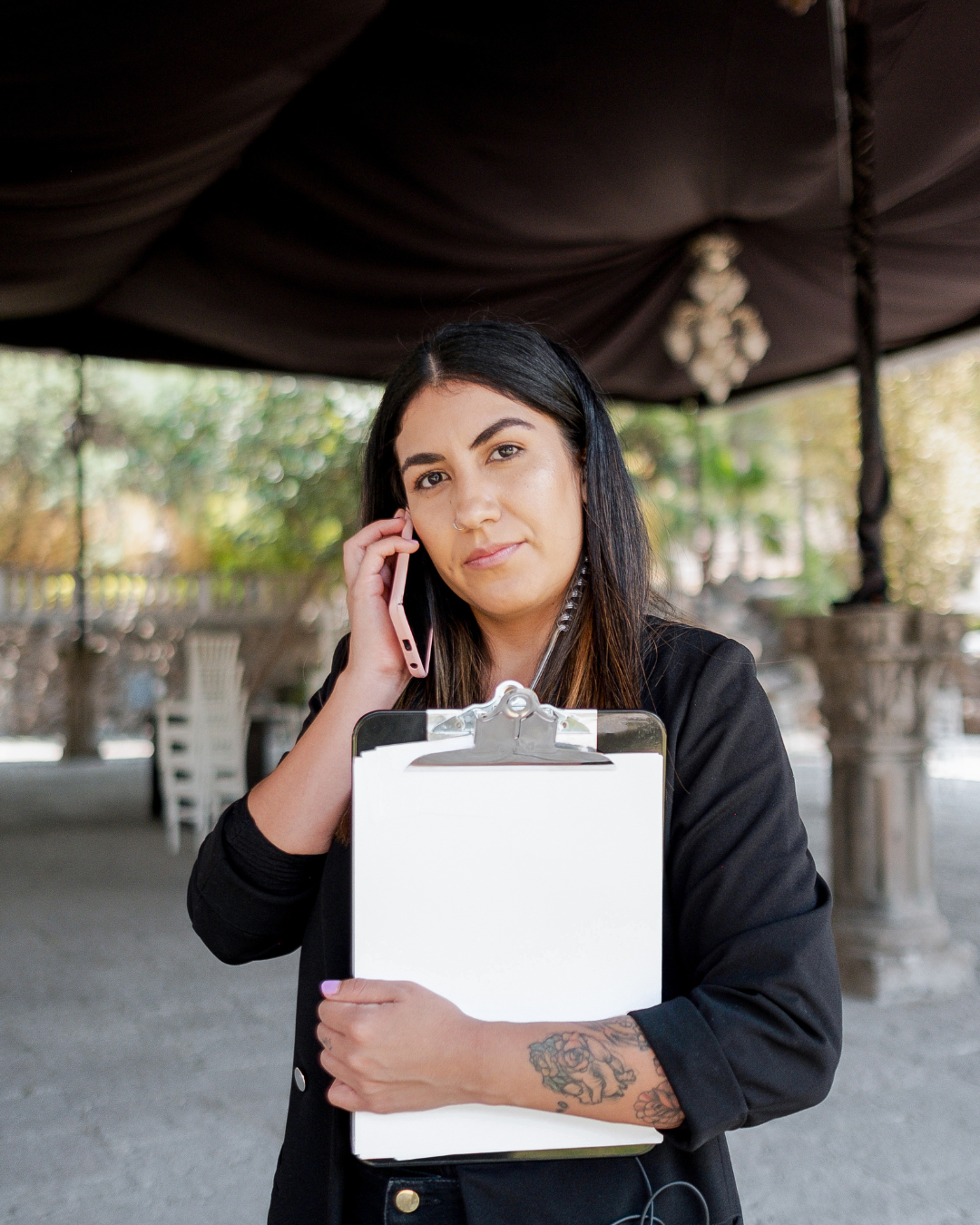
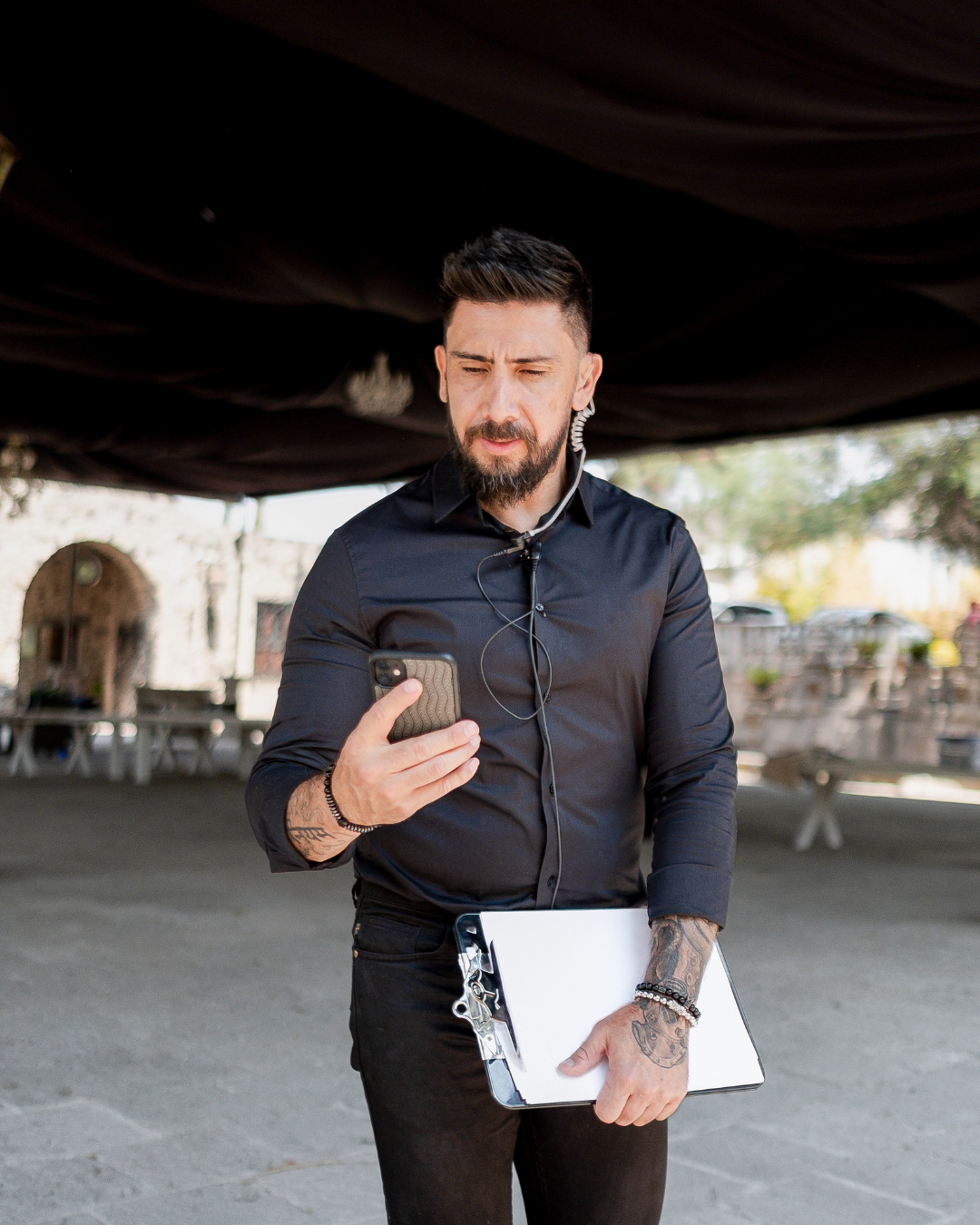
1. Start with risk mapping before the wedding day
The best wedding day emergency response begins long before the wedding day. A planner who waits for a problem to appear is already working under pressure. A planner who has mapped the risks in advance has a clear operational advantage. Risk mapping allows you to identify what could happen, how likely it is, how serious the consequences could be, and what preventive or corrective action should already exist.
Common wedding risks usually fall into several families: logistics, weather, suppliers, technical equipment, guest management, family dynamics, health, timing, and budget. Each category deserves its own review. For example, a ceremony in a garden has a weather risk, but it may also have access risks, sound risks, guest comfort risks, and décor installation risks. Seeing the event from this wider perspective helps you design stronger solutions.
A simple risk matrix can be enough. List the potential issue, evaluate probability, estimate impact, name a preventive action, and define the backup response. If the risk is rain during an outdoor ceremony, the preventive action may include weather monitoring, a decision deadline, and vendor briefing. The corrective action may include moving the ceremony to a covered space, adjusting the floral installation, and informing the officiant, musicians, and venue team in a specific order.
What to include in your wedding risk review
- Weather thresholds and backup locations.
- Supplier arrival windows and replacement contacts.
- Transport buffers for the couple, wedding party, and guests.
- Technical needs for sound, lighting, power, and presentations.
- Family sensitivities, emotional triggers, and decision-makers.
- Critical objects such as rings, vows, stationery, attire, and legal documents.
2. Build contingency plans that are specific enough to use
A backup plan is only useful if it can be activated quickly. Many planners keep a general idea in mind, but a vague alternative is not a professional contingency plan. The plan should specify the location, the person responsible, the decision deadline, the required materials, the communication order, and the effect on the timeline.
For a late caterer, the response might involve extending the cocktail hour, moving speeches forward, asking musicians to adjust the program, and informing the venue captain. For a missing bridal accessory, the response may involve a local supplier contact, a stylist recommendation, or an elegant substitution. For a power issue, the response should include access to technical support, extension equipment, or a generator contact if the venue requires it.
Specificity creates calm. When your team knows exactly what to do, the energy of the event stays stable. Guests rarely notice the difference between the original plan and a well-managed adjustment. They do notice confusion, visible stress, and contradictory instructions.
3. Create a communication system for emergencies
Communication can solve a problem or make it worse. During a wedding day emergency, the planner should avoid broadcasting stress to everyone involved. Instead, create a tiered communication system. The lead planner, venue manager, catering lead, technical contact, and one trusted client-side contact may form the core decision group. Other vendors receive only the information needed for their task.
This approach protects the couple’s experience. They should not be interrupted for every operational detail. They should be informed when a decision affects them, when a visible change needs their approval, or when there is a matter of safety, cost, or personal importance. Premium coordination is often defined by what the couple never has to carry emotionally.
Use concise language under pressure. State the issue, the consequence, the decision, and the next action. For example: The ceremony space needs to move indoors because of wind. The floral team is already adapting the arch, musicians are relocating, and guests will be guided in twenty minutes. This kind of message reassures people because it is calm and directional.
4. Prepare a professional wedding planner emergency kit
An emergency kit is a small detail that can save the atmosphere of an entire moment. It should be practical, compact, and adapted to the type of events you coordinate. Include sewing supplies, stain remover, safety pins, fashion tape, scissors, tissues, pain relief basics, plasters, phone chargers, batteries, pens, printed timelines, water, snacks, umbrellas, extension cables, and any item that regularly solves minor disruptions.
The kit should not be improvised at the last minute. Review it before every wedding, replace missing products, and adapt it to the venue and season. A summer outdoor wedding may require sunscreen, fans, insect repellent, and hydration supplies. A winter wedding may require blankets, umbrellas, and additional footwear support. A destination wedding may require extra printed documents and local contacts.
5. Lead the real-time response without losing the atmosphere
When an emergency happens, your behaviour becomes part of the solution. A wedding planner who moves quickly but calmly gives the entire team confidence. A planner who appears overwhelmed transfers anxiety to vendors, guests, and sometimes the couple. The point is not to pretend nothing is happening. The point is to show that the situation is being handled.
Use a simple sequence: assess, prioritise, delegate, communicate, and follow through. First, identify the real consequence. Then decide what matters most: safety, timing, guest comfort, couple experience, or cost control. Delegate specific actions to reliable people. Communicate the solution clearly. Finally, check that the solution has actually been executed.
Discretion is especially important in premium events. If a supplier is late, guests do not need to hear the discussion. If a family issue appears, the planner should manage it away from the main celebration whenever possible. If the timeline changes, the transition should feel intentional rather than chaotic.
6. Use technology without depending on it completely
Digital tools can support emergency management, but they should not replace professional judgment. Shared timelines, vendor contact sheets, project management boards, messaging groups, and digital checklists can make coordination faster. They help your team find information quickly and avoid repeated questions.
At the same time, every essential document should have a low-tech backup. Print the final timeline, floor plan, supplier list, transport details, and emergency contacts. Phones lose battery. Wi-Fi fails. Apps become slow at exactly the wrong moment. A premium planner uses technology intelligently while maintaining a resilient system.
7. Turn every emergency into a stronger planning process
Post-event review is one of the most valuable habits in wedding planning. After the wedding, document what happened, how the team responded, what worked, and what needs to change. If transport delays happened at one venue, add more buffer time for future events. If sound checks caused stress, improve your technical briefing. If a vendor communicated poorly, update your supplier evaluation process.
This review culture transforms emergencies from isolated problems into business intelligence. Over time, your templates, timelines, contracts, briefings, and checklists become stronger. Your service becomes calmer because it is no longer based on memory alone. It is based on an evolving professional method.
Why emergency management strengthens premium positioning
Couples remember how they felt on their wedding day. They may never know every small issue you solved behind the scenes, but they will feel the emotional result of your preparation. A calm planner creates trust. A structured planner protects beauty. A discreet planner allows the couple to remain present.
This is why emergency management should be part of your brand promise. It communicates reliability, maturity, and high-level care. For planners building an international or premium business, the ability to manage pressure with elegance is a major differentiator. It is also a skill that can be developed through practice, reflection, and professional education with resources such as International Wedding Institute.
FAQ: Wedding day emergencies for wedding planners
What is the most common wedding day emergency?
The most common wedding day emergencies include late vendors, weather changes, timeline delays, missing items, technical issues, and unexpected guest or family complications. The impact depends less on the problem itself and more on the planner’s preparation.
Should the couple be told about every issue?
No. The couple should be told about issues that affect their decisions, safety, comfort, budget, or experience. A planner should solve minor operational problems discreetly when they do not require the couple’s involvement.
How can a wedding planner stay calm under pressure?
Calm comes from preparation. Clear timelines, backup plans, vendor briefings, emergency contacts, and repeated practice reduce uncertainty. Emotional control becomes easier when the operational system is strong.
What should a wedding planner do after an emergency?
After the event, review what happened, update your templates, evaluate supplier performance, and refine your future planning process. Every real emergency can become a lesson that improves your service.
Final thoughts
Wedding day emergencies are never ideal, but they are also moments where professional value becomes visible. A wedding planner who anticipates risk, communicates clearly, and leads calmly can protect the event even when circumstances change. The result is not only a smoother wedding day. It is a stronger reputation, deeper client trust, and a more sustainable planning business.