Understanding the WedSKILLS Framework for Wedding Planner Training
A premium guide to the competency framework behind wedding planner education, inspired by learning theory and professional practice.
PublishedRead 9 minBy Anne-Marie MECHERI
The WedSKILLS framework was created to make wedding planner training more structured, more readable, and more connected to the real competencies of the profession. It is not simply a visual model. It is a way to understand how future planners and designers move from discovery to professional mastery.
Wedding planning education needs a framework because the profession is layered. Learners need knowledge, practical application, creative thinking, commercial clarity, leadership, and the ability to present a credible professional identity. Without structure, the learning path can feel scattered.
What is the WedSKILLS framework?
The WedSKILLS framework is a competency model for wedding planner and wedding designer training. It organizes learning into progressive levels that connect knowledge, application, creativity, packaging, leadership, and professional presentation, helping learners understand how skills develop horizontally and vertically.
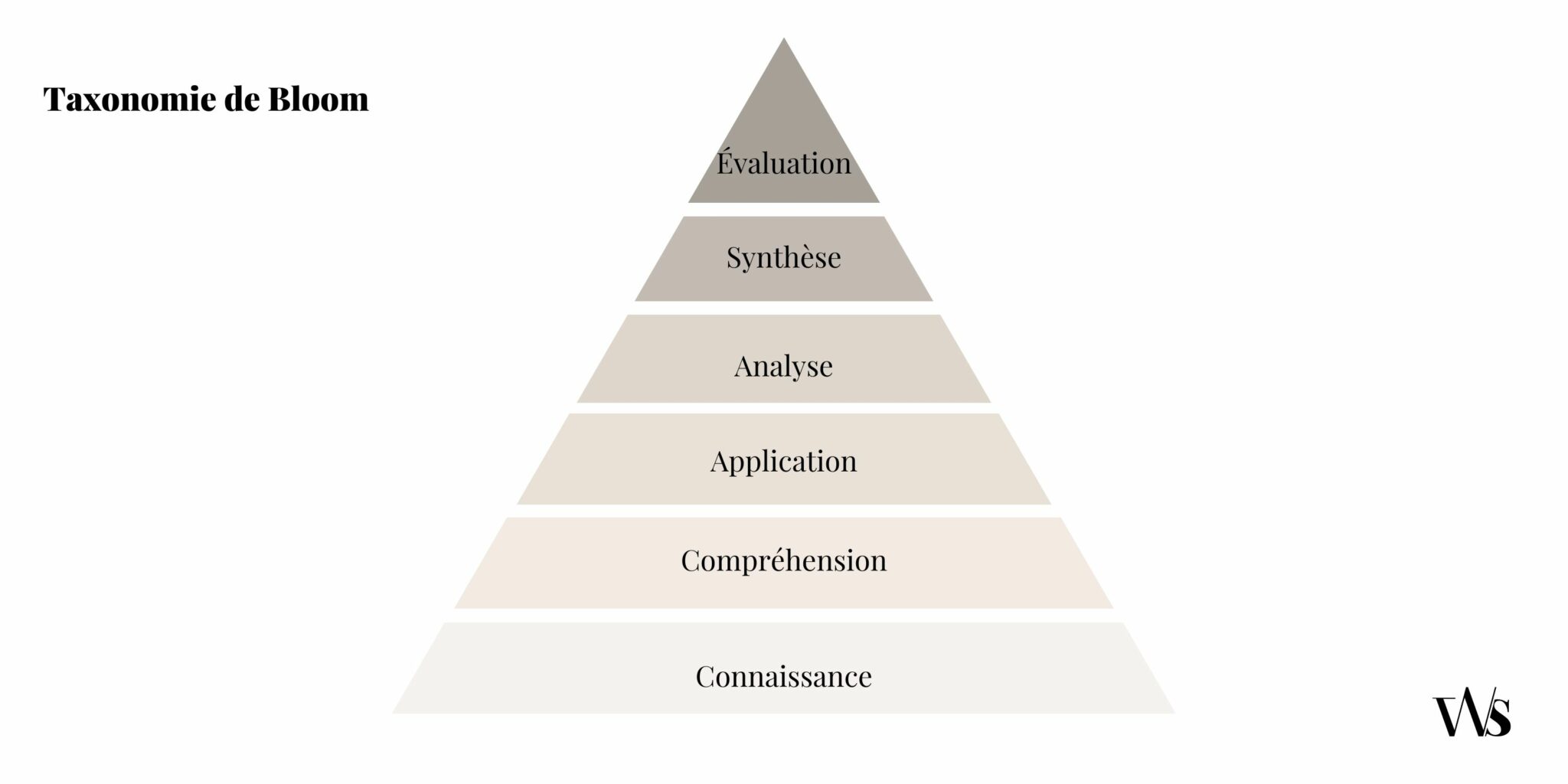
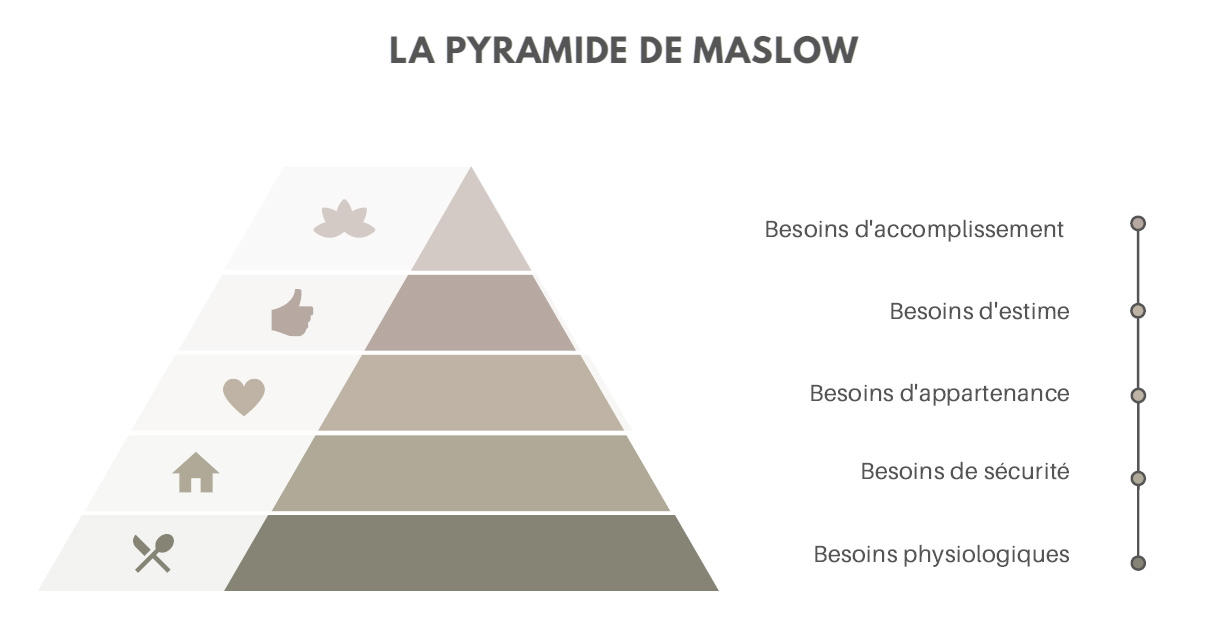
Bloom taxonomy applied to wedding planner training frameworkMaslow pyramid inspiration for WedSKILLS learning framework
For a premium online program, the framework gives learners a map. It clarifies what they are studying, why it matters, and how each skill contributes to a future career.
Why wedding planner education needs a competency framework
A competency framework translates a profession into teachable elements. In wedding planning, those elements include knowledge of the wedding industry, consulting ability, wedding project management, business skills, design understanding, client communication, and operational leadership.
Without a framework, learners may collect information without knowing how it fits together. With a framework, each lesson has a place. The learner can see whether she is building knowledge, practicing application, developing judgment, or preparing to present herself as a professional.
Learning theories behind the structure
The framework is inspired by the idea that learning moves through levels. A learner first remembers and understands concepts, then applies them, analyzes situations, evaluates options, and eventually creates professional solutions. This progression is particularly relevant in wedding planning because real events require adaptation.
From needs to higher professional growth
A professional framework can also reflect motivation. Future planners need a sense of belonging, confidence, competence, and eventually self-expression through their brand and method. Learning is not only technical; it also supports identity.
Why the word skills matters
Skills are more than knowledge. They include what a person can do with knowledge, how she behaves in professional situations, and how she creates value for clients. Wedding planning requires this complete view because the job is both practical and relational.
The WedSKILLS progression
The progression can be understood as a movement from entry-level discovery to professional visibility. Each level strengthens a different aspect of the future wedding planner’s development.
Start: entering the profession
The first level helps the learner discover the wedding industry, understand the main roles, and begin building professional vocabulary. It creates orientation and reduces confusion.
Knowledge: understanding the foundations
Knowledge includes concepts, terminology, legal or practical awareness, vendor categories, planning stages, and the logic of a wedding project. It is the foundation that prevents improvisation.
Imagine: applying and designing solutions
At this stage, learners begin to imagine scenarios, apply methods, and create responses to client needs. They are no longer only receiving information; they are practicing professional reasoning.
Labelling and packaging: building an offer
A planner needs to name, package, and present services. This level connects skills to business clarity: offers, pricing, service descriptions, proposals, and brand positioning.
Leadership: managing projects and relationships
Leadership is the ability to guide the process, coordinate stakeholders, communicate with authority, and remain calm under pressure. It is central to wedding management and wedding day coordination.
Showing: presenting expertise
The final level is visibility. Future planners need to show their work, explain their method, publish content, build credibility, and communicate expertise in a way that feels elegant and sincere.
Horizontal and vertical growth
The framework is useful because growth is both horizontal and vertical. Horizontal growth expands the range of skill families. Vertical growth deepens mastery within each family. A learner may know the basics of budgeting but still need advanced practice in budget negotiation and client education.
This view helps learners avoid rushing. Expertise is not a single certificate moment. It is a structured progression of knowledge, application, practice, reflection, and professional presentation.
Fragmented learning is one of the risks of online education. A learner may watch lessons, download templates, read articles, and still feel unsure about what she has actually mastered. A framework prevents this by placing each element inside a larger progression.
For example, a budget lesson is not only a financial topic. It belongs to knowledge, application, client communication, business confidence, and sometimes leadership. A timeline exercise is not only a document. It is a way to understand dependencies, stakeholder coordination, and wedding day feasibility.
Why horizontal learning matters
Horizontal learning means exploring different skill families: consulting, wedding management, business, design, communication, and leadership. This matters because a planner cannot succeed by developing only one dimension. A highly organized planner still needs client communication. A creative planner still needs pricing clarity.
The WedSKILLS framework helps learners see these families side by side. It encourages a balanced development path rather than a narrow accumulation of information.
Why vertical learning matters
Vertical learning means deepening mastery inside one skill family. A beginner may understand what a planning timeline is. An intermediate learner can build one. An advanced professional can adapt a timeline under pressure, explain the consequences to clients, and coordinate vendors around it.
This vertical view is essential for premium service. The difference between basic and expert work is often the depth of judgment, not the name of the tool.
Using the framework to choose training
Future wedding planners can use the framework to evaluate a course. Does the program teach the profession as a complete system? Does it include knowledge, exercises, business structure, leadership, and professional presentation? Does it connect theory with real wedding situations?
A course that only inspires may feel pleasant but leave the learner uncertain. A course that follows a competency framework can create more confidence because progress becomes visible.
From framework to personal brand
The final value of the framework is positioning. A learner who understands her skills can explain her method. She can describe her services, write website content, prepare proposals, and speak to couples with more confidence.
This is where education meets visibility. The same competencies developed in training later become the language of a premium wedding planning brand.
How learners can track progress with the framework
A learner can use the framework as a personal dashboard. For each level, she can list what she understands, what she has practiced, which tools she has created, and which professional situations still feel unclear. This turns learning into visible progress.
The dashboard can be reviewed every month. It may show that knowledge is growing quickly while business confidence needs more work, or that creative thinking is strong while leadership under pressure requires practice. This self-awareness is valuable because it guides effort.
Why the framework supports premium e-learning
Premium e-learning should feel structured, human, and purposeful. The learner should not be left alone with a library of content. A framework gives rhythm and orientation. It helps the student understand the next step and the reason behind it.
For wedding planner training, this is particularly important because the field is emotionally attractive. A learner can easily spend time on inspiration while avoiding business or management topics. The framework keeps the path balanced.
How the framework connects to SEO and conversion
The framework also supports content strategy. Articles, service pages, and course descriptions can use semantic clusters such as wedding planner skills, wedding planner training, competency framework, wedding management, wedding consulting, wedding business, and wedding day coordination. These terms are relevant because they belong to the real structure of the profession.
When this language is used naturally, it helps readers and search engines. It also creates a soft conversion path: the reader understands the complexity of the profession and sees why a structured course can be useful.
The result is a learning experience that feels less random and more professional. Instead of wondering whether progress is real, the learner can point to specific competencies that have been studied, practiced, refined, and prepared for presentation.
That sense of progression is one of the strongest motivators in online education. It keeps ambition grounded and helps future wedding planners continue even when the profession feels complex.
For the school, the framework also protects consistency. When courses, articles, exercises, and certifications are connected to the same model, the learning experience feels more coherent. Students are not jumping from one unrelated topic to another; they are moving through a designed professional path.
This coherence is essential for an international audience. Learners may come from different countries and business cultures, but a competency framework gives them a shared structure for understanding the wedding planner profession.
Frequently asked questions
What is the purpose of the WedSKILLS framework?
The purpose is to organize wedding planner training into clear competency levels so learners understand how knowledge, practice, business skills, and professional presentation develop.
Is WedSKILLS only for wedding planners?
The framework is designed for wedding planner and wedding designer education, because both professions require structured skills, creativity, client understanding, and professional positioning.
Why is a competency framework useful?
It helps learners see the full profession instead of studying isolated topics. It also helps a course connect each module to a real professional skill.
How does WedSKILLS support online learning?
It gives online learners a clear map. They can understand where they are in the learning process, which skills are being developed, and what the next level of progress looks like.
Continue exploring the blog
Return to the IWI blog to read more resources for wedding planners, wedding designers and modern wedding professionals.