
Starting a wedding planner business is exciting, but it should never be treated as a purely creative project. A professional wedding agency needs a clear offer, a realistic financial plan, a defined market, strong client experience and a method for delivering weddings with calm precision.
In many markets, wedding planning is still a profession with few traditional job openings. Future planners, designers and officiants often need to create their own activity rather than wait for employment. That makes entrepreneurship a central part of the career path.
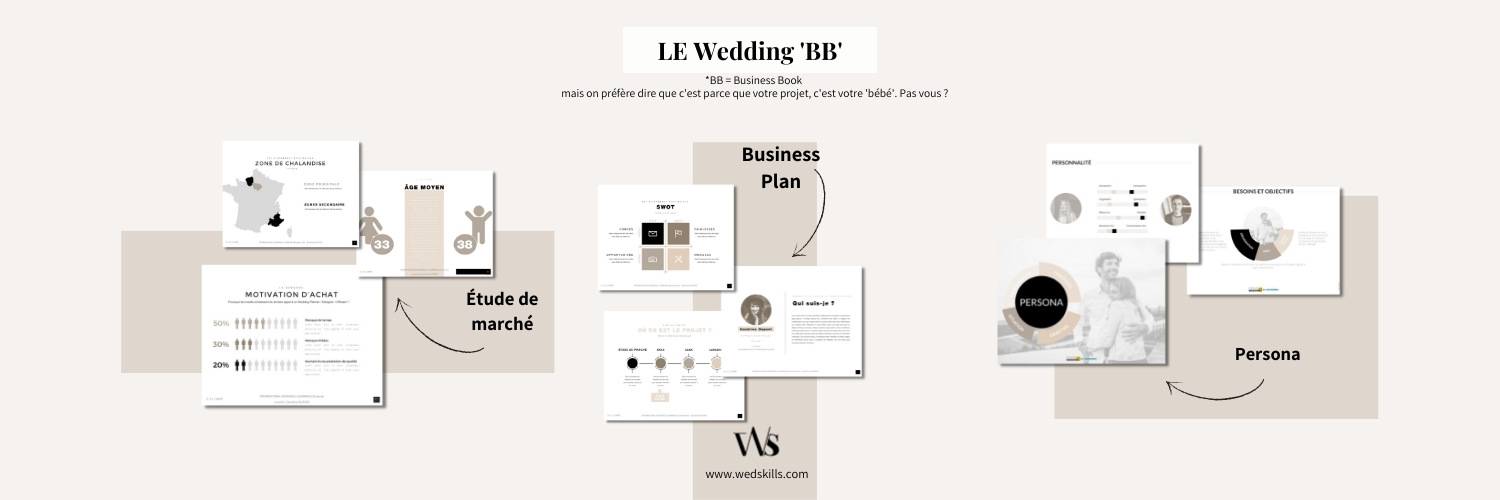
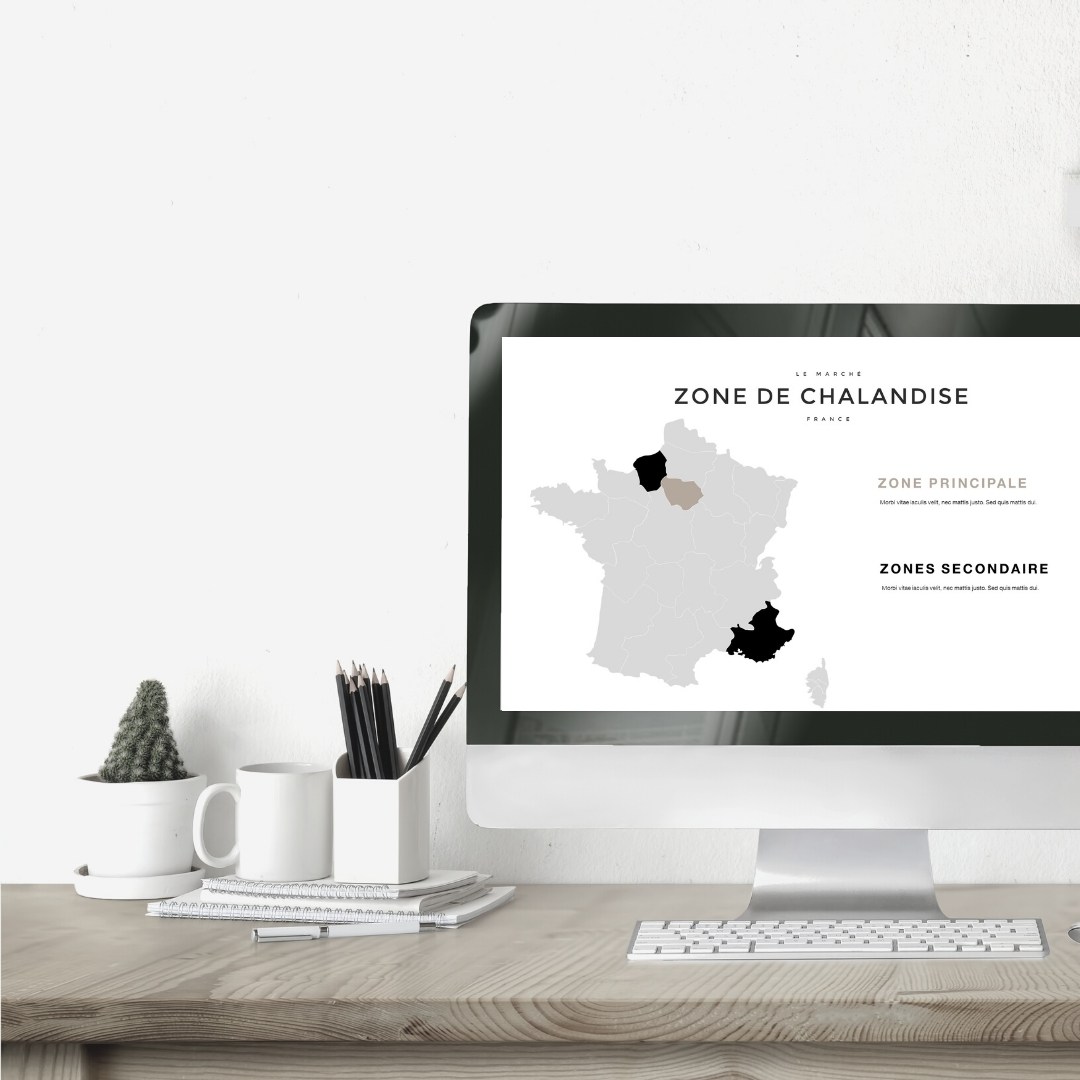
This guide presents a structured, SEO-focused and business-oriented approach for future wedding planners who want to build a credible agency instead of improvising their launch.
1. Assess whether wedding planning fits your life and personality
Before creating a company, the future founder should ask whether the profession truly fits their personality, lifestyle and expectations. A wedding planner works with emotion, deadlines, suppliers, budgets and long event days. A self-assessment such as is the wedding planner career right for me can help clarify motivation before making business decisions.
This first step is important because the wedding industry can look glamorous from the outside. Behind the beauty of the event, there are contracts, spreadsheets, contingency plans, supplier negotiations, family dynamics, weather risks, production schedules and a high level of responsibility. The profession requires resilience as much as taste.
2. Build professional competence before selling services
Wedding planning, wedding design and ceremony work are real professions. They should not be approached as hobbies. Future founders should identify which wedding planner education path to follow and understand the skills they need before accepting clients.
A serious planner needs training in logistics, client management, design culture, pricing, supplier coordination and wedding day execution. It is not enough to love weddings. The profession requires method, and working without proper preparation can weaken the business before it has a chance to grow.
To understand the differences between roles, review the professional expectations behind the wedding planner job profile, the wedding designer job profile and the wedding officiant job profile. These roles may overlap, but they do not require exactly the same skills.
3. Study the wedding market before defining the offer
Market research is one of the most strategic steps. A wedding planner should analyse the local or destination market, price levels, competing agencies, venue types, supplier ecosystems, client expectations and cultural habits. This research helps determine whether the offer should target luxury weddings, intimate celebrations, multicultural events, destination weddings, elopements or local full-service planning.
The goal is not to copy competitors. The goal is to understand where the opportunity exists. A market may already have many planners, but few with strong design expertise. Another region may have venues but limited coordination support. A destination may attract international couples who need bilingual guidance. Market research reveals these gaps.
4. Create financial forecasts before choosing prices
Pricing should not be invented from intuition. A wedding planner must calculate business expenses, taxes, insurance, software, marketing, travel, education, subcontractors, preparation time and the number of weddings that can realistically be managed in a year. Only then can pricing reflect both client value and business viability.
Financial forecasts help the founder understand the difference between revenue and income. A package fee may look attractive, but when divided by months of planning, meetings, coordination, administration and event day labour, the real hourly value can be much lower than expected. A premium agency needs numbers that protect quality.
5. Write a business plan that can guide decisions
A business plan is not only a document for banks or advisers. It is a decision-making tool. It should explain the target market, positioning, service structure, pricing strategy, marketing plan, financial assumptions and growth priorities of the wedding planner business.
For founders who want a structured approach, a wedding planner business course and business book can help transform scattered ideas into a coherent launch plan. This type of support is especially valuable when the founder wants to combine creative ambition with commercial discipline.
Future learners can also explore a broader wedding industry course when they need a complete view of professional expectations, business creation and client experience.
Future planners who prefer a structured digital learning environment can also use an online wedding planner learning platform to organise the business, creative and operational skills required before launch.
6. Choose the right legal and business structure
The legal structure of the wedding business influences taxation, liability, accounting, partnerships and future growth. The right option depends on the country, the founder’s personal situation, the level of risk and the long-term business model. Professional advice from an accountant or legal specialist is strongly recommended before registration.
Some founders explore independent business models, while others consider joining an existing network or studying a wedding planner franchise model. Each path has advantages and limits. Independence offers freedom, while a network may offer brand support, tools or visibility.
7. Define the services and client journey
A wedding planner should not launch with vague packages. Couples need to understand what is included, how communication works, when planning begins, how suppliers are selected, what happens during wedding day coordination and how decisions are documented. Clear services create trust.
The client journey should feel intentional from the first enquiry. A premium wedding agency can design an elegant sequence: enquiry reply, discovery call, proposal, contract, onboarding, planning timeline, budget review, supplier sourcing, design development, logistics meetings, final production schedule and wedding day execution.
8. Build a brand that reflects the market positioning
Branding is more than a logo. It includes tone of voice, visual direction, website structure, photography, service language and the way the agency communicates expertise. A luxury wedding planner should not sound like a generic event supplier. A destination planner should show international sensitivity, travel awareness and supplier vetting expertise.
The brand should also be honest. It is better to communicate a refined, focused promise than to claim experience the agency does not yet have. New planners can position themselves professionally by showing method, education, market understanding and a strong client process.
9. Create a communication and SEO strategy
A wedding planner business needs visibility. This may include a website, blog articles, social media, supplier relationships, styled shoots, venue partnerships, directories and local networking. SEO is particularly useful because couples often search for planning advice, service explanations and location-specific expertise before contacting a planner.
Strong SEO content should answer real questions: how wedding planning works, how much coordination includes, why a planner is useful, how to choose suppliers, what a destination wedding requires and how to organise a planning timeline. These articles attract qualified readers while demonstrating expertise.
The communication strategy should also consider the practical work environment. Some planners begin by working from home as a wedding professional, while others use coworking, meeting rooms or studio spaces. The choice should support both productivity and brand perception.
10. Launch with systems, not only enthusiasm
The final step is to launch with operational systems. Before taking on weddings, the planner should have templates, checklists, client questionnaires, budget tools, supplier tracking, planning timelines, event day schedules, emergency procedures and a clear method for communication.
Systems do not make the service impersonal. They create space for a better client experience because the planner is not reinventing the process at every step. The more refined the system, the more calm and personal the service can feel.
A conversion-focused but elegant launch mindset
The objective is not simply to create a wedding planning business. The objective is to create a business that clients can trust. That trust comes from professional education, realistic numbers, clear communication and a structured planning method. Future planners who invest in these foundations are better positioned to sell premium services with confidence.
Create the documents that protect the client experience
Before the first bookings, a wedding planner should prepare the documents that support a professional relationship. These may include a discovery call form, proposal template, contract framework, payment schedule, planning timeline, supplier briefing sheet, event day schedule and final coordination checklist. These tools help the planner deliver consistency from the beginning.
Documentation is also part of premium positioning. Couples feel reassured when every step is clear, elegant and structured. A new wedding planner may not have years of events behind them yet, but they can still show maturity through organised communication, precise documents and a calm planning process.
FAQ: creating a wedding planner business
Do I need training to start a wedding planner business?
Training is strongly recommended because wedding planning requires technical, logistical, commercial and interpersonal skills. A professional course can help future planners avoid costly mistakes and build a credible method.
What should a wedding planner include in a business plan?
A business plan should include market research, ideal client profile, service packages, pricing, financial forecasts, marketing strategy, legal structure, operational tools and growth objectives.
Can a wedding planner work from home?
Yes, many wedding planners work from home, especially at the beginning. The important point is to create a professional client experience, use appropriate meeting options and respect any legal or practical rules that apply locally.
How can a new wedding planner attract clients?
A new planner can attract clients through SEO content, supplier networking, clear service pages, referrals, styled shoots, local partnerships and a polished consultation process. Visibility should be combined with professional credibility.
What is the biggest mistake when launching a wedding agency?
The biggest mistake is launching with enthusiasm but without structure. A wedding planner needs training, market research, financial planning, contracts, tools and a clear client journey before the first events are booked.