
A royal wedding fascinates the public because it combines intimacy with global visibility. Behind the beauty of the ceremony, there is a complex ecosystem of professionals: planners, private secretaries, stylists, floral designers, chefs, cake designers, production teams and protocol specialists. Every decision must respect tradition while expressing the couple’s personality.
For wedding professionals, the royal wedding of Prince Harry and Meghan Markle remains a rich case study. It shows how modernity, emotion, heritage and exceptional logistics can coexist when the creative direction is clear and the supplier team understands the meaning behind each detail.
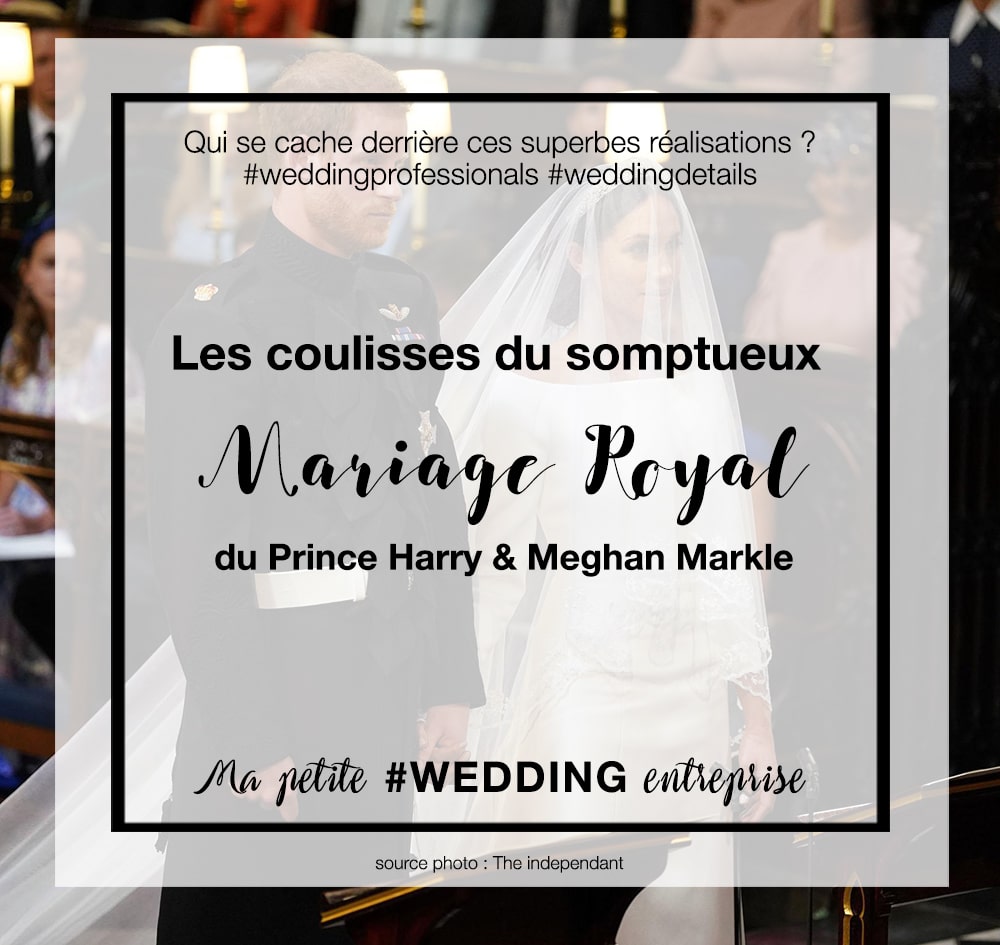
Planning a wedding under public scrutiny
A royal wedding is not planned like a private celebration, even when the emotional core is the same. The guest list, security, media presence, procession, religious protocol, family expectations and public symbolism all influence the planning timeline. The challenge is to protect the couple’s experience while coordinating an event watched by millions.
In the case of Harry and Meghan, the organization involved institutional structures and trusted advisers rather than a single visible wedding planner in the commercial sense. This is an important lesson: complex weddings often require a planning ecosystem. The title of the person in charge matters less than the clarity of responsibilities.
For destination or high-end wedding planners, the takeaway is simple. When the stakes are high, every supplier must understand not only their task but also the larger story. Protocol, guest flow, timing and emotional moments must be planned together.
Design that balances tradition and modernity
The visual language of a royal wedding must carry heritage without becoming frozen in the past. In Harry and Meghan’s wedding, the overall impression was refined, soft and modern. The design choices did not compete with the ceremony; they supported the mood. This restraint is one of the strongest signs of premium design.
Wedding designers can learn from this balance. Luxury does not always mean adding more. It often means removing anything that weakens the story. Florals, fashion, stationery, ceremony setting and reception elements should speak the same language without feeling repetitive.
Modern couples often want personalization, but personalization must be curated. The role of the designer is to translate personal history, values and atmosphere into a visual experience that feels coherent from beginning to end.
- Define the emotional message before choosing decorative details.
- Use symbolism intentionally rather than adding elements for decoration alone.
- Coordinate fashion, florals, ceremony design and reception atmosphere.
- Respect the venue’s identity instead of fighting against it.
- Create a supplier brief that explains the story, not only the technical requirements.
Fashion, florals and cake as storytelling tools
The wedding dress, bouquet, floral arches and cake were not isolated details. They were part of a shared narrative: elegance, softness, freshness and a modern interpretation of tradition. Each supplier contributed a specific craft, but the result felt connected because the creative direction was aligned.
For wedding florists and floral designers, the lesson is the importance of scale, setting and symbolism. Florals should frame the ceremony and support the venue, not overwhelm it. For cake designers, the lesson is similar: the cake can feel contemporary and meaningful without becoming theatrical. Premium work often relies on refinement rather than excess.
For planners, these creative elements also have logistical implications. Delivery windows, installation time, environmental conditions, venue rules, photography schedule and guest movement must all be anticipated. Beauty requires production discipline.
What smaller weddings can borrow from royal production
Most wedding professionals will never produce a royal wedding, and they do not need to. The transferable value is not the budget or the scale; it is the method. Even a private wedding can benefit from a clear hierarchy of decisions, precise supplier briefing, a planning timeline and a design concept rooted in the couple’s story.
A smaller wedding can also borrow the idea of intentional symbolism. A flower, a song, a ceremony reading, a menu choice or a family ritual can carry meaning when it is chosen with care. The planner’s role is to help couples distinguish between details that matter and details that simply add noise.
The behind-the-scenes lesson is that emotion is created before the wedding day. It is created through conversations, briefs, edits, rehearsals and thoughtful decisions. By the time guests see the final result, the emotional coherence has already been built.
The importance of supplier leadership
High-pressure weddings require supplier leadership. The planner or lead coordinator must make sure that every professional understands the timeline, access rules, contacts, contingency plan and standard of communication. This is true for royal weddings, luxury weddings and intimate destination weddings alike.
Supplier leadership does not mean controlling every creative decision. It means creating the conditions in which each expert can do excellent work. When the florist, stylist, caterer, officiant and production team understand the plan, the event feels calm even when the timeline is demanding.
For students of the wedding industry, this is a powerful lesson. Professionalism is not only visible in the final images. It is visible in the preparation that allows those images to exist.
A case study in emotional precision
The most memorable weddings are not simply beautiful. They feel emotionally precise. Harry and Meghan’s wedding was widely discussed because it combined public ceremony with personal expression. That balance is difficult, and it is exactly where skilled wedding professionals bring value.
Whether working on a royal event or a private celebration, the question remains the same: how can every choice serve the couple, the guests and the meaning of the day? When the answer is clear, the planning becomes more purposeful and the design becomes more powerful.
How to turn this into a working decision
The most valuable way to use this guidance is to turn it into a decision-making document, not a vague intention. For wedding planners, designers, florists, stylists and cake designers, a strong royal wedding behind the scenes approach should translate into written choices: what will be offered, what will be refused, what will be delegated, what will be measured and what will be improved after each client experience. This is how a beautiful idea becomes a professional standard.
Premium positioning also depends on consistency. A wedding professional can have a refined visual identity, elegant copywriting and a clear promise, yet still lose credibility if the operational choices behind the business are improvised. The objective is to align the visible brand with the invisible structure: pricing, process, communication rhythm, client boundaries and post-event review.
What premium clients quietly evaluate
Couples rarely evaluate a wedding professional only through a list of services. They also assess calm, precision, discretion, confidence and the ability to make complex decisions feel simple. That is why royal wedding behind the scenes is not only a technical subject; it influences the emotional experience of the client relationship from the first enquiry to the final follow-up.
For an international or high-end audience, the difference is often in the details. Clear documents, thoughtful explanations, realistic timelines and polished language reassure clients before they have seen the full result of the work. They suggest that the professional knows how to protect the couple’s investment, respect the event’s emotional value and manage pressure with elegance.
How to keep improving after the launch
The first version of any wedding business decision will evolve. After each season, the professional should review what created value, what created friction, which conversations took too much energy and which clients felt aligned with the brand. This reflective habit makes royal wedding behind the scenes stronger over time because it connects strategy to real market feedback.
A useful review can remain simple: compare enquiries with signed clients, compare planned hours with real hours, review the moments where couples needed the most reassurance, and identify which part of the offer generated the strongest testimonials. These signals help refine pricing, messaging, services and education choices without losing the premium spirit of the brand.
The mindset behind sustainable growth
Sustainable growth in the wedding industry is rarely built through urgency alone. It comes from a clear method, a refined client experience and the patience to develop expertise before trying to scale. The professionals who last are usually the ones who understand both sides of the work: the beauty that clients see and the structure that makes that beauty possible.
For students, this is where a premium course can make the difference. It does not replace personal responsibility, but it gives a framework, vocabulary and professional discipline. Instead of collecting disconnected tips, learners can build a coherent way of thinking about royal wedding behind the scenes, client trust and long-term business value.
Useful resources and further reading
The original French article included several useful references. They are preserved here with clearer, English-language anchor text so readers can continue their research without breaking the flow of the article.
- Vanity Fair royal wedding report
- Harry: Life, Loss and Love
- Jessica Mulroney profile
- Kleinfeld bridal reference
- CNN Style analysis of Meghan Markle’s wedding dress
- Kensington Palace royal wedding update
- Philippa Craddock floral design
- Daily Mail royal wedding floral coverage
- Vogue interview with Claire Ptak
- Royal Wedding social conversation
- Royal Wedding social media post
- Royal Family wedding update
- Royal Wedding social media post
- Royal Wedding social media post
- Royal Family wedding update
Frequently asked questions
Was there an official wedding planner for Harry and Meghan’s wedding?
The wedding involved institutional teams and advisers rather than one public commercial wedding planner. Complex events often rely on a coordinated ecosystem of professionals.
Why is a royal wedding useful for wedding professionals to study?
It reveals the importance of protocol, supplier coordination, symbolism, timing, design restraint and emotional storytelling under high pressure.
Can small weddings use lessons from royal weddings?
Yes. Smaller weddings can borrow the method: clear creative direction, meaningful details, strong supplier briefing and a structured timeline.
What is the biggest lesson for planners?
The biggest lesson is that beauty depends on structure. A seamless wedding requires planning discipline, not only creative inspiration.
A refined next step
Studying a royal wedding behind the scenes is not about imitating privilege or scale. It is about understanding how professionals transform emotion, symbolism and logistics into an experience that feels effortless to the guests and deeply personal to the couple.