
Flowers are part of the visual language of weddings. A professional may discover a plant during a venue visit, notice a seasonal bloom in a florist’s studio or see an interesting foliage texture in a street arrangement. Being able to identify plants quickly can enrich design culture and improve supplier conversations.
Plant identification apps are not a substitute for florists or botanical expertise, but they are useful tools for wedding designers, planners and creative learners. They help transform curiosity into vocabulary, and vocabulary is essential when describing atmosphere, seasonality and floral direction.
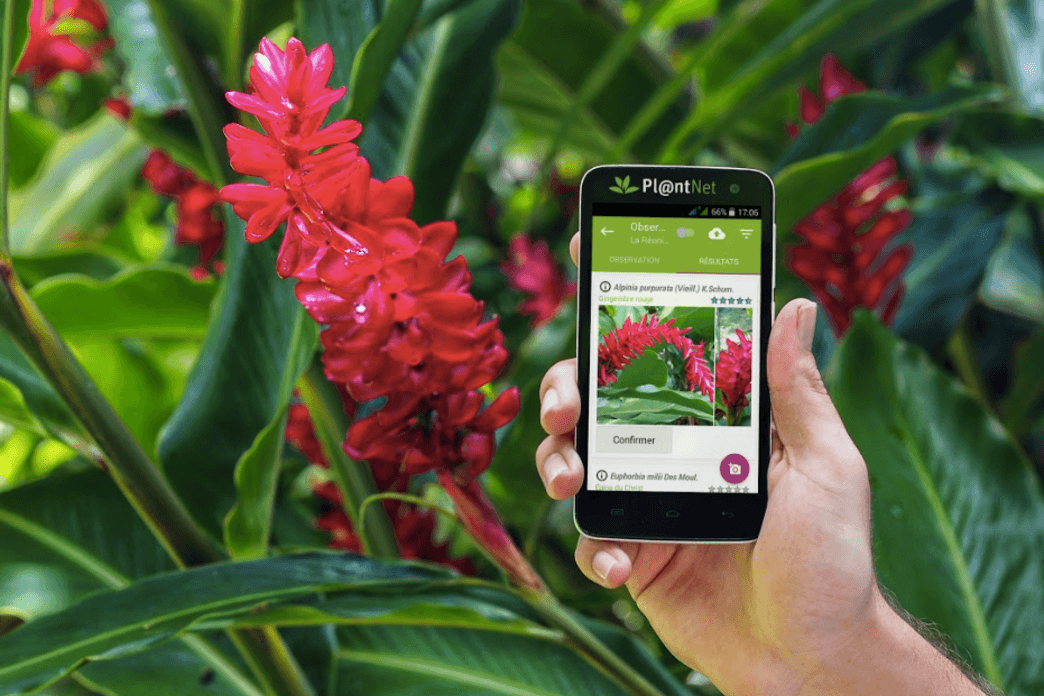
Why flower recognition matters in wedding design
A wedding designer does not need to replace the florist. The florist remains the specialist in availability, mechanics, conditioning, substitutions and installation. However, a designer who understands floral language can communicate with greater precision. Instead of saying soft greenery or romantic flowers, they can describe foliage shape, bloom scale, texture and seasonal mood.
This precision makes mood boards stronger. It helps distinguish between garden roses, ranunculus, anemones, cosmos, sweet peas, eucalyptus, olive branches or wild grasses. Each botanical reference carries a different feeling, price implication and seasonal logic.
What Pl@ntNet brings to wedding professionals
Pl@ntNet is a plant identification application based on visual recognition and a collaborative botanical database. The user photographs a plant, leaf, flower or fruit, and the application suggests possible identifications. For wedding professionals, it can become a lightweight research companion.
The tool is particularly useful outside formal supplier meetings. During a walk, a venue scouting day, a garden visit or a destination wedding trip, the professional can capture references and later discuss them with a florist. The app supports curiosity, but expert validation remains important before promising a specific bloom to a client.
Use the app as a learning tool, not as a final authority
Plant identification can vary depending on photo quality, angle, light and species. A result should be treated as a starting point. When the plant will influence a wedding design, availability, toxicity, climate, price and sourcing should be confirmed with a florist or local grower.
This is especially important for destination weddings. A plant that appears in inspiration images may not be locally available, sustainable or appropriate for the season. The professional role is to connect the desired atmosphere with realistic options.
How to integrate flower identification into the design process
- Photograph flowers and foliage during venue visits, garden walks and supplier research.
- Use the app to identify possible names and botanical families.
- Create a private reference file with images, names, season, color and texture notes.
- Discuss promising references with a florist before including them in a client-facing proposal.
- Translate the plant into design language: airy, sculptural, romantic, architectural, wild or classic.
- Use confirmed references in mood boards, floral briefs and supplier conversations.
Where to download the application
Wedding professionals who want to test the tool can explore the official website or download it through mobile platforms. The original article referenced the option to download Pl@ntNet from the Apple Store and to download Pl@ntNet from Google Play. Availability and app details may evolve, so checking the current official listing remains the safest approach.
From flower names to premium client communication
Knowing a flower name is useful; knowing how to communicate its role is even more valuable. A wedding designer might explain that a certain foliage brings movement to a ceremony arch, that a delicate bloom supports a garden-inspired atmosphere, or that a sculptural branch adds a modern editorial line.
This language helps clients understand design decisions. It also helps suppliers see that the professional is not simply collecting images, but building a coherent visual direction. In a premium wedding business, that difference matters.
Seasonality and responsibility
Plant recognition can also encourage more responsible design. When professionals notice local flowers, seasonal greenery and natural textures, they may rely less on generic inspiration. A wedding can feel more connected to its place and season when botanical choices reflect the environment.
This does not mean every wedding must be rustic or local-only. It means the professional has more options. A better botanical eye supports richer conversations about sourcing, substitutions, transport, weather and visual coherence.
A mini workflow for wedding mood boards
- Create a floral vocabulary list for each wedding style you offer.
- Group references by color, texture, season and emotional effect.
- Avoid promising exact flowers before confirming availability with a supplier.
- Use plant names in internal notes and client presentations only when they support clarity.
- Build a private library of local botanical inspiration for destination weddings and venue-specific designs.
How botanical vocabulary improves supplier collaboration
Florists appreciate clients and planners who can describe an atmosphere without locking the design into impossible requests. A wedding professional who understands botanical vocabulary can say whether the desired feeling is airy, lush, structured, meadow-like, tropical, architectural or delicate.
This vocabulary gives the florist room to suggest alternatives. If a specific bloom is unavailable, the supplier can propose another flower with a similar shape, movement or color value. The conversation becomes collaborative rather than restrictive.
For wedding designers, this is a mark of maturity. The goal is not to know every plant name perfectly; it is to communicate enough to create a coherent floral direction and respect the expertise of the specialist.
Creating a botanical reference library
After identifying plants, save them in a structured library. Include the image, probable name, season, color family, texture and the type of wedding atmosphere it could support. Over time, this becomes a private creative database.
Such a library is especially helpful for learners. It connects everyday observation to professional design thinking and makes future floral conversations more precise.
Using plant knowledge in destination weddings
Destination weddings are especially suited to botanical observation. Local plants can influence welcome dinners, ceremony backdrops, stationery motifs and tablescape textures. They can also help a design feel connected to place rather than imported from a generic inspiration board.
A plant identification app can support early research before the florist refines the concept. The professional can gather references during travel, then ask local suppliers which options are realistic, seasonal and responsible.
This approach creates richer storytelling for the couple. The wedding design becomes linked to the landscape, climate and atmosphere of the destination.
For client presentations, botanical references should be used with restraint. Too many flower names can overwhelm a couple, while a few carefully chosen terms can make the design feel refined and intentional.
The designer can translate plant knowledge into emotion: softness, movement, structure, freshness, abundance or minimalism. This is more useful to most clients than a purely technical vocabulary.
Flower identification can also help with editorial writing. A portfolio description becomes richer when it mentions the feeling created by specific foliage, the softness of a seasonal bloom or the way a botanical choice echoed the venue landscape.
For learners, the app can become part of a weekly creative exercise. Choose one plant, research its season and visual qualities, then imagine which type of wedding atmosphere it could support. This builds design reasoning over time.
The tool is equally helpful when discussing substitutions. If a desired flower is unavailable, knowing its shape, density and movement helps the florist suggest alternatives that preserve the original mood.
A botanical reference library can also support SEO content. Articles about seasonal wedding flowers, floral mood boards or destination wedding foliage attract readers who want both inspiration and practical guidance.
Used with professional judgment, plant identification strengthens curiosity. It encourages wedding designers to observe the world more carefully and translate everyday nature into refined celebration concepts.
The app can be used after a venue visit to organize memories. Instead of keeping random photos on a phone, the designer can label botanical references and connect them to possible ceremony, dinner or stationery ideas.
This habit also helps with supplier respect. The professional arrives at the florist meeting prepared, curious and realistic, which usually creates a better creative exchange.
Plant observation can also enrich venue scouting. A designer might notice existing trees, seasonal flowers, garden paths or natural colors that could influence the ceremony design and guest experience.
Rather than importing every idea from online inspiration, the professional can let the location guide part of the design. This often creates a wedding that feels more personal and less generic.
For premium clients, that sense of place can be powerful. A celebration that reflects its environment often feels more elegant because it belongs to the setting.
This turns a simple app into a discreet but valuable design habit.
This turns a simple app into a discreet but valuable design habit for premium wedding work.
Frequently asked questions
Is Pl@ntNet useful for wedding planners?
Yes. Even planners who do not design flowers can use the app to improve botanical vocabulary, understand client inspiration and communicate more clearly with florists.
Can a plant app replace a florist?
No. A plant app can suggest names, but florists understand availability, mechanics, substitutions, pricing and installation. Professional floral decisions should be confirmed by specialists.
How can flower identification improve a mood board?
It helps move from generic inspiration to precise references. Naming flowers, foliage and textures makes the design concept more coherent and easier to discuss.
Should destination wedding designers use plant identification tools?
Yes, especially during venue visits and travel. Local plants can inspire a more authentic atmosphere, but sourcing and suitability should always be checked with local suppliers.