
A micro wedding planner specialises in intimate celebrations where the guest list is smaller, the experience is more intentional, and every detail matters. The format is often associated with weddings of fewer than fifty guests, but the true value of a micro wedding is not only the number of people in the room. It is the level of care, storytelling, atmosphere, and personal connection that becomes possible when scale is reduced.
For couples, a micro wedding can offer more freedom, more meaning, and better control over their investment. For planners, it can become a strong niche when the offer is positioned correctly. The mistake is to present it as a smaller version of traditional wedding planning. A premium micro wedding is not simply less wedding. It is a different planning logic, often more curated, more emotional, and more visible in its details.
This article explores what a micro wedding planner does, why couples choose this format, how to design a strong service offer, and how to market it with confidence. It is written for wedding professionals who want to serve modern couples without reducing their value or underpricing their expertise.

1. Understand why micro weddings appeal to modern couples
The rise of the micro wedding reflects a deeper shift in how couples think about celebration. Many no longer want a wedding shaped only by tradition, social expectation, or guest volume. They want a day that feels sincere, beautiful, and aligned with their lifestyle. A smaller guest list gives them space to be more intentional with each decision.
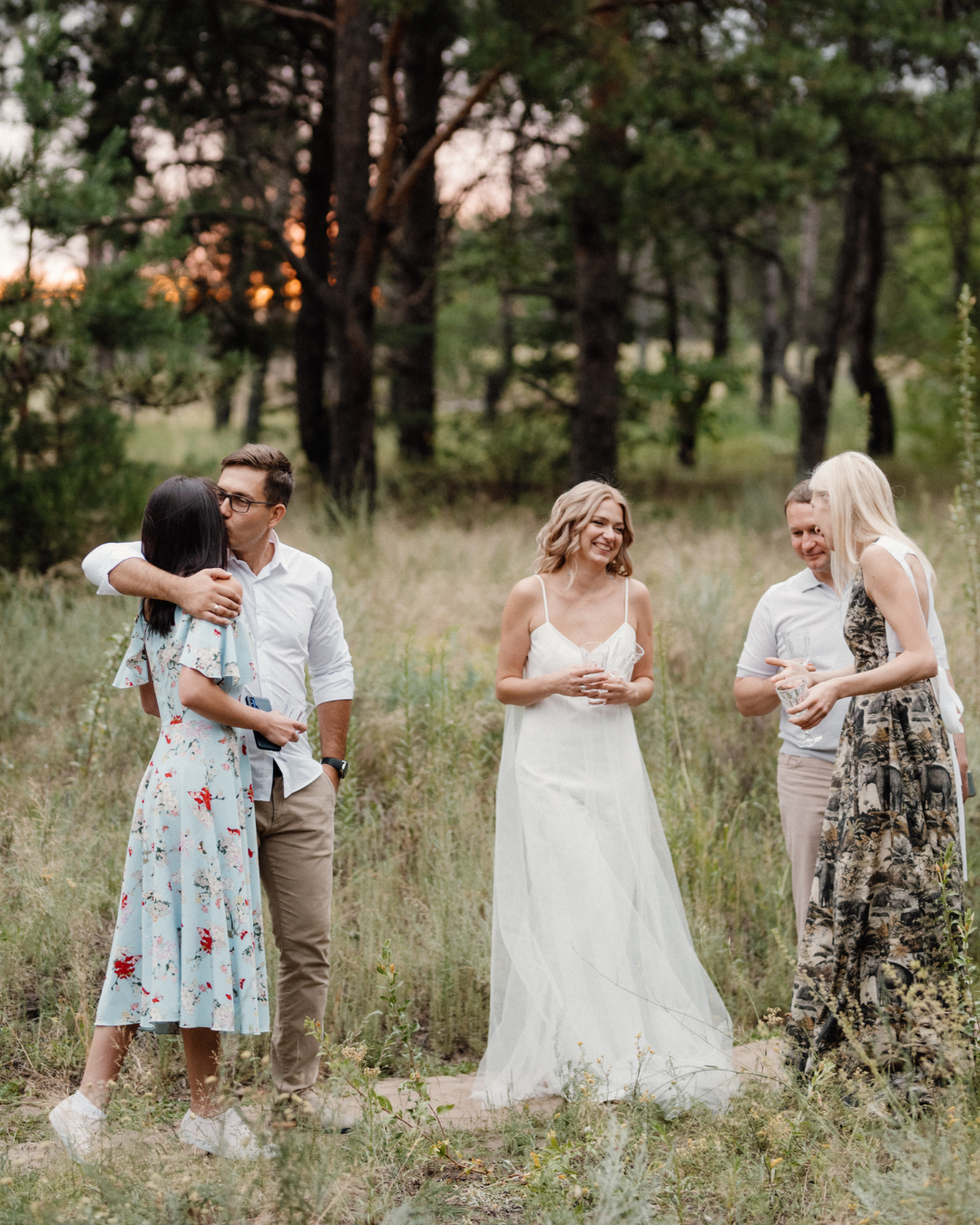
Intimacy is one of the strongest emotional drivers. With fewer guests, couples can spend meaningful time with the people who matter most. The ceremony can feel more personal, the dinner can feel warmer, and the entire day can be designed around connection rather than constant movement. This is especially attractive for couples who want to avoid the feeling of performing for a large crowd.
Budget is also part of the conversation, but it should be explained carefully. A micro wedding can reduce some expenses because there are fewer meals, seats, invitations, and transport needs. Yet many couples choose to reallocate that investment into a more premium venue, refined dining, floral design, photography, music, or guest welcome gifts. For a micro wedding planner, the message is clear: the format is not automatically budget-focused. It can be value-focused, experience-focused, or luxury-focused.
2. Define the difference between small and premium
The word smallà can accidentally weaken perceived value. If your website suggests that a micro wedding is cheaper because there is less work, clients may expect a discounted service. A stronger approach is to show that intimate weddings require precision. Every guest notices more. Every design choice is more visible. Every timeline transition feels more personal because the group is close to the couple.
Premium micro wedding planning is about depth. It involves careful venue curation, thoughtful hospitality, strong supplier selection, and a clear emotional concept. The couple may want a private villa dinner, a countryside weekend, an elegant city ceremony, a destination-style celebration, or a multi-course dining experience. Each of these formats requires planning intelligence, not just reduced logistics.
Use language that reinforces the value: intimate wedding design, curated guest experience, boutique wedding planning, high-touch guidance, meaningful celebration, and refined coordination. These terms help clients understand that the service is designed around quality, not scale.
3. Choose venues that match the micro wedding promise
Venue selection is one of the most important parts of micro wedding planning. A space that feels elegant for thirty guests may feel empty for a traditional wedding and impossible for a large one. A micro wedding planner should build a supplier and venue list that includes private dining rooms, boutique hotels, rooftops, gardens, estates, galleries, villas, restaurants, and destination-style properties.
The venue should support both aesthetics and logistics. Consider guest flow, ceremony options, sound restrictions, weather alternatives, transport, accommodation, accessibility, catering flexibility, and photography potential. Because the guest count is smaller, details such as table layout, lighting, acoustics, and service rhythm become even more important.
Micro weddings also connect naturally with sustainable thinking. Fewer guests can mean fewer transfers, reduced waste, and more selective sourcing. If your brand already speaks to responsible celebrations, you can connect this positioning with broader eco-friendly wedding planning without making sustainability feel like an afterthought.
4. Build an offer around experience rather than reduction
A strong micro wedding planner offer should be clear, elegant, and commercially viable. It can include concept development, venue sourcing, supplier recommendations, budget guidance, planning timeline management, guest experience design, ceremony flow, styling direction, and wedding day coordination. The deliverables may be fewer in volume than a large wedding, but the level of attention can be higher.
Be careful with pricing. A smaller wedding does not always mean fewer hours, fewer decisions, or less responsibility. The planner still needs to manage suppliers, timelines, contracts, logistics, communication, and contingency planning. If you price only by guest count, you may undercharge for the expertise required. A better pricing logic considers complexity, location, number of events, supplier management, design involvement, and coordination intensity.
Your proposal should explain what makes your support valuable. Couples need to see that you are not simply booking vendors. You are helping them make refined choices, protect their budget, create a coherent atmosphere, and enjoy a celebration that feels deeply personal.
5. Market the micro wedding niche with SEO and brand clarity
Micro wedding planning is a search-driven opportunity. Some couples already use the term micro wedding planner, while others search for intimate wedding planner, small wedding planning, luxury elopement, boutique wedding celebration, or private wedding dinner. Your content should answer each of these intentions without forcing keywords awkwardly into every sentence.
A strong SEO strategy starts with a dedicated service page or article that explains the format, the benefits, the planning process, and the type of couple you serve. Then create supporting content around venues, guest list decisions, budget allocation, intimate ceremony ideas, destination micro weddings, and premium guest experience. Couples often need education before they are ready to enquire.
Your website also needs to convert softly. The goal is not to push every reader into an immediate booking call. Some are still deciding whether a micro wedding is right for them. Use clear examples, thoughtful questions, and elegant calls to action. If your site needs stronger visibility, resources on SEO for a wedding planner website can help connect your positioning with the way couples actually search.
6. Create a supplier network for intimate celebrations
Not every supplier is the right fit for a micro wedding. Some vendors are optimised for large-scale production and may not adapt easily to smaller, highly personalised events. A micro wedding planner should know photographers who capture intimacy, caterers who offer refined small-group dining, florists who can design impactful details without excessive volume, musicians who suit private settings, and venues that welcome flexible formats.
The supplier network becomes part of your value. Couples may not know which vendors understand the tone they want. Your role is to guide them toward professionals who can deliver proportion, elegance, and warmth. This is especially important when the couple wants a premium experience but does not want the atmosphere of a traditional banquet.
7. Protect the wedding day with professional coordination
Smaller weddings still need coordination. In fact, the intimacy of the format can make coordination more visible. Guests are closer to the couple, the timeline may feel more fluid, and any delay can be noticed quickly. A professional micro wedding planner keeps the day smooth without making it feel over-managed.
The coordination plan should include setup timing, ceremony cues, catering rhythm, speeches, photography windows, guest movement, transport, supplier access, and backup scenarios. The experience should feel effortless for the couple, but that effortless feeling comes from careful preparation.
8. Decide whether micro weddings should be your niche or one offer
For some planners, micro weddings become a signature niche. This can be powerful if your portfolio, tone, pricing, website, and supplier network all support the promise. For others, micro wedding planning works best as one curated offer inside a broader planning business. The right decision depends on your market, your ideal client, and the type of events you want to repeat.
If you choose the niche route, commit to it visibly. Show intimate weddings in your imagery. Write content that speaks to small guest lists and high-touch service. Create packages that reflect the format. Use testimonials that mention calm, personal attention, and emotional quality. Authority comes from consistency.
Professional education can also help refine your positioning, especially if you want to structure your service, pricing, and client journey with confidence. A program such as the WedSKILLS wedding planner course can support planners who want to turn practical skill into a clearer business model.
FAQ: Micro wedding planner positioning
How many guests are usually invited to a micro wedding?
There is no universal rule, but many micro weddings include fewer than fifty guests. The defining feature is not only the number. It is the intentional, intimate, and highly curated nature of the celebration.
Is a micro wedding planner less expensive than a traditional wedding planner?
Not necessarily. A smaller guest list can reduce some event costs, but the planner’s work may still be complex. Pricing should reflect the level of support, design, logistics, supplier management, and coordination required.
What keywords should a micro wedding planner use for SEO?
Useful keyword clusters include micro wedding planner, intimate wedding planner, small wedding planning, luxury micro wedding, boutique wedding planning, private wedding celebration, and destination micro wedding.
Can micro weddings feel luxurious?
Yes. Many micro weddings feel highly luxurious because the budget can be redirected toward venue quality, food, design, photography, guest gifts, and personalised experiences rather than a large guest count.
Final thoughts
Becoming a micro wedding planner is not about doing less. It is about creating more meaning with fewer guests. When positioned with confidence, the niche can attract couples who value intimacy, aesthetics, and thoughtful support. For wedding professionals, it offers a chance to build a service that feels modern, refined, and emotionally intelligent while remaining commercially strong.