
The idea of becoming a wedding planner often begins with a mix of attraction and doubt. You may love organization, beauty, emotion and human connection, yet wonder whether this can become a real profession. You may also be considering a career change and asking whether your personality, skills and situation are compatible with the wedding industry.
A professional wedding planner is not simply someone who loves weddings. The role requires method, anticipation, communication, negotiation, budget awareness, supplier coordination, emotional intelligence and the ability to remain calm under pressure. The profession is beautiful, but it is also demanding.
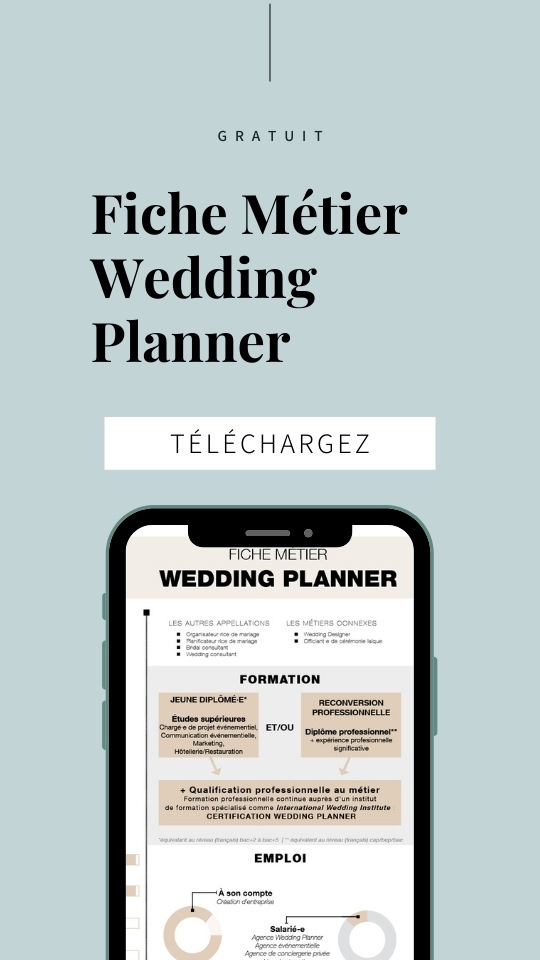

Understand the real role of a wedding planner
A wedding planner helps couples design, organize and coordinate the planning process. Depending on the service, the planner may manage the planning timeline, recommend suppliers, follow the budget, prepare meetings, coordinate logistics, support decisions and supervise the wedding day. The work is both strategic and practical.
The planner is not the same as a wedding designer, although the two roles can work closely together. The planner focuses on organization, process and coordination, while the designer focuses on visual concept, decor and aesthetic production. Some professionals offer both, but they should understand the difference clearly.
Wedding day coordination is also a specific service. It involves preparing the timeline, confirming details with suppliers, coordinating setup, managing the schedule and responding to unexpected issues on the day itself. It is not “just being presenté; it is a high-responsibility role.
Assess whether the profession fits you
Future wedding planners need more than enthusiasm. They need patience, empathy, rigor, adaptability and a strong sense of service. They must enjoy details without losing the big picture. They must also be comfortable with weekends, seasonal intensity, client emotions and supplier communication.
A career change into wedding planning can be very fulfilling, especially for people with experience in project management, hospitality, events, communication, sales, design, administration or entrepreneurship. Many previous careers can become strengths if they are translated into the wedding context.
The profession also requires resilience. Not every client is easy, not every supplier is punctual and not every plan unfolds perfectly. A wedding planner must know how to solve problems discreetly so the couple can continue to experience the day with confidence.
- Strong organization and planning skills.
- Excellent written and verbal communication.
- Ability to manage stress and last-minute changes.
- Business awareness, pricing logic and professional boundaries.
- A genuine desire to serve couples with care and discretion.
Why training matters
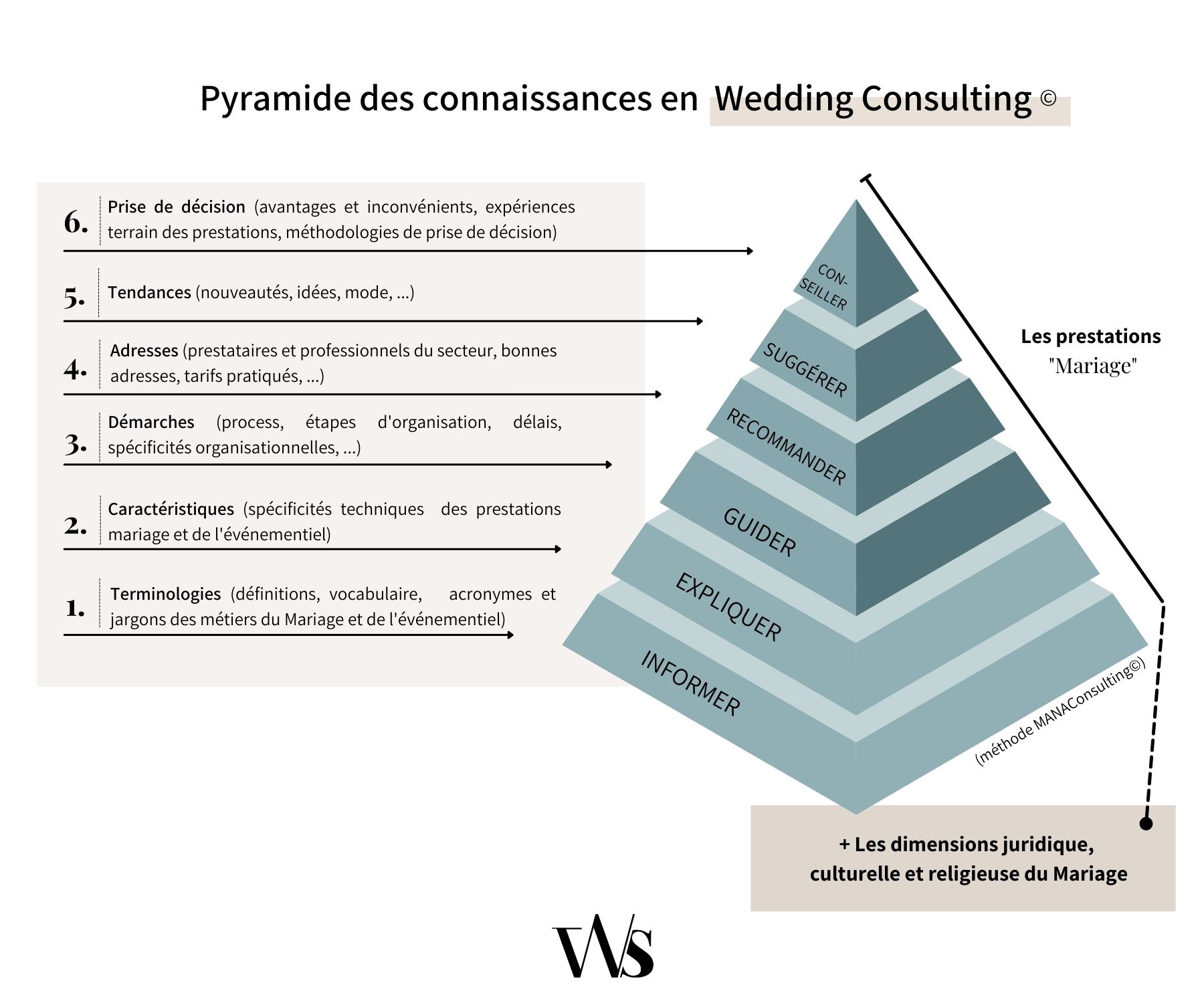
A structured wedding planner course helps future professionals understand the full scope of the role. It can teach planning timelines, supplier management, budgeting, client communication, contracts, wedding day coordination, business strategy and brand positioning. Training does not remove the need for practice, but it accelerates clarity.
Good training should not only explain what a wedding planner does. It should help students think like professionals. That means asking the right questions, building repeatable tools, understanding responsibilities and learning how to create a client experience that feels organized from the first contact.
For premium and international positioning, training can also help learners develop vocabulary, confidence and professional standards. Couples investing in wedding planning expect more than passion; they expect expertise.
Build the business foundation
To become a wedding planner, you also need to build a business. This includes market research, a business plan, legal structure, pricing, contract, terms and conditions, insurance where relevant, a website, a brand identity and a communication strategy. The entrepreneurial side cannot be separated from the profession.
Market research helps identify competitors, local wedding habits, client expectations, price levels and opportunities. The business plan turns that information into decisions. Pricing then translates the service into a sustainable model that covers time, expertise, preparation and business costs.
Branding and SEO help the business become visible. A future planner should create content around how to become a wedding planner only if the business also has an educational angle; for clients, content should answer questions about wedding planning, budget, timelines, venues, supplier coordination and wedding day organization.
Gain experience with intention
Experience is essential, but it should be gained thoughtfully. Assisting another planner, volunteering on carefully selected events, participating in styled shoots, shadowing suppliers or coordinating smaller projects can help develop practical reflexes. The goal is to learn, not to collect chaotic experiences.
When accepting first clients, the future planner should be honest about the scope and work with strong preparation. A smaller wedding, partial planning mission or wedding day coordination project may be more appropriate than a complex luxury wedding at the very beginning. Confidence grows through responsible progression.
After each experience, the planner should review what worked, what was stressful, which tools were missing and what should be improved. This reflective practice turns experience into expertise.
Launch as a professional, not as a hobbyist
The difference between loving weddings and becoming a wedding planner lies in structure. A professional knows how to present the service, define responsibilities, manage expectations, protect time, coordinate suppliers and communicate under pressure. The launch should reflect that seriousness.
A premium wedding planner does not need to know everything on day one. But they do need a method, the humility to keep learning and the discipline to prepare thoroughly. This is what creates trust with couples and respect among suppliers.
The career can be rich and meaningful for people who are ready to combine emotion with precision. Weddings are personal, but the work behind them must be professional.
How to turn this into a working decision
The most valuable way to use this guidance is to turn it into a decision-making document, not a vague intention. For career changers and future wedding planners, a strong how to become a wedding planner approach should translate into written choices: what will be offered, what will be refused, what will be delegated, what will be measured and what will be improved after each client experience. This is how a beautiful idea becomes a professional standard.
Premium positioning also depends on consistency. A future wedding planner can have a refined visual identity, elegant copywriting and a clear promise, yet still lose credibility if the operational choices behind the business are improvised. The objective is to align the visible brand with the invisible structure: pricing, process, communication rhythm, client boundaries and post-event review.
What premium clients quietly evaluate
Couples rarely evaluate a wedding professional only through a list of services. They also assess calm, precision, discretion, confidence and the ability to make complex decisions feel simple. That is why how to become a wedding planner is not only a technical subject; it influences the emotional experience of the client relationship from the first enquiry to the final follow-up.
For an international or high-end audience, the difference is often in the details. Clear documents, thoughtful explanations, realistic timelines and polished language reassure clients before they have seen the full result of the work. They suggest that the professional knows how to protect the couple’s investment, respect the event’s emotional value and manage pressure with elegance.
How to keep improving after the launch
The first version of any wedding business decision will evolve. After each season, the professional should review what created value, what created friction, which conversations took too much energy and which clients felt aligned with the brand. This reflective habit makes how to become a wedding planner stronger over time because it connects strategy to real market feedback.
A useful review can remain simple: compare enquiries with signed clients, compare planned hours with real hours, review the moments where couples needed the most reassurance, and identify which part of the offer generated the strongest testimonials. These signals help refine pricing, messaging, services and education choices without losing the premium spirit of the brand.
The mindset behind sustainable growth
Sustainable growth in the wedding industry is rarely built through urgency alone. It comes from a clear method, a refined client experience and the patience to develop expertise before trying to scale. The professionals who last are usually the ones who understand both sides of the work: the beauty that clients see and the structure that makes that beauty possible.
For students, this is where a premium course can make the difference. It does not replace personal responsibility, but it gives a framework, vocabulary and professional discipline. Instead of collecting disconnected tips, learners can build a coherent way of thinking about how to become a wedding planner, client trust and long-term business value.
Useful resources and further reading
The original French article included several useful references. They are preserved here with clearer, English-language anchor text so readers can continue their research without breaking the flow of the article.
- wedding planner career profile
- wedding planner career profile
- difference between a wedding planner and a turnkey wedding organizer
- difference between wedding planner and wedding designer
- free wedding planner career test
- wedding planner course
- wedding planner course
- wedding planner course
- wedding planner course
- wedding planner course
- wedding planner course
- wedding planner course
- wedding planner course
- wedding business planning tools
- wedding planner course
- wedding planner course
- wedding planner course
Frequently asked questions
Do you need a diploma to become a wedding planner?
Requirements vary by country. A formal diploma may not always be mandatory, but structured training is strongly recommended to understand the profession, avoid mistakes and build credibility.
Can I become a wedding planner after a career change?
Yes. Many wedding planners come from other careers. Skills from project management, hospitality, communication, design, sales or administration can become valuable assets.
How long does it take to become a wedding planner?
The timeline depends on training, availability, business preparation and market entry. Several months of serious preparation is realistic before launching client-facing services.
What is the hardest part of being a wedding planner?
The hardest part is often managing pressure, expectations and logistics at the same time. The planner must protect the couple’s experience while coordinating many details behind the scenes.
A refined next step
Becoming a wedding planner is a professional project that deserves method and ambition. With training, market understanding, business structure and real experience, a passion for weddings can become a credible, sustainable and deeply meaningful career.