How to Finance a Wedding Planner, Wedding Designer or Wedding Officiant Course
A practical and premium guide to understanding the value of wedding education, comparing funding options, and investing in a future wedding career.
PublishedRead 9 minBy Anne-Marie MECHERI
Financing a course is often one of the first concrete questions in a career change. The desire may be clear, the motivation may be strong, but the investment still needs to make sense financially, personally, and professionally.
For future wedding planners, wedding designers, and wedding officiants, the question is not only how to finance a wedding planner course. It is also how to evaluate the value of education, understand what is included in the price, and choose a funding path that supports the project without creating unnecessary pressure.
How can you finance a wedding planner, designer, or officiant course?
You can finance a wedding course through personal savings, payment plans, professional training funds, public or regional support, business creation budgets, crowdfunding, employer-supported training, or a gradual investment strategy. The right solution depends on your country, status, eligibility, timing, and the type of program you choose. Always verify current funding rules with the official organization concerned before making a decision.
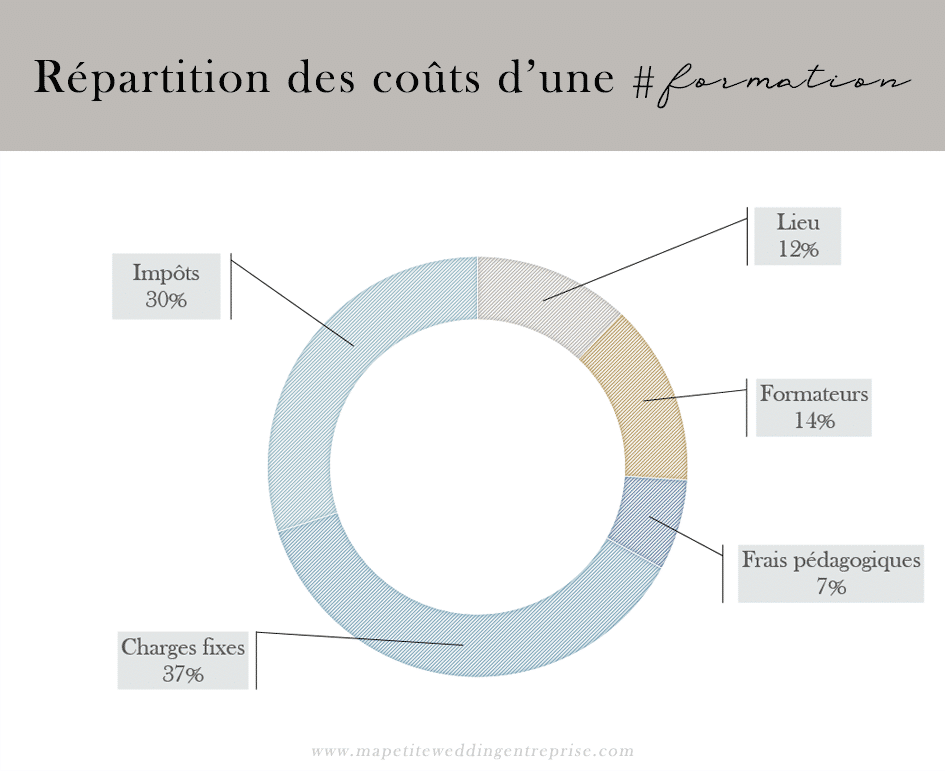
Financing a wedding planner course and understanding training investmentCost breakdown for wedding planner designer and officiant education
A premium approach to training investment begins with clarity. A course is not simply a cost; it can be a foundation for a future service business. But like any investment, it should be examined with care, realism, and a clear view of the professional goal.
Why wedding education has a real cost
A serious course requires expertise, structure, pedagogy, updates, support, tools, administration, and time. Behind a professional program, there are often years of field experience, educational design, platform work, learner guidance, and quality control.
The value is not only in access to videos or documents. It is in the order of the learning path, the clarity of the explanations, the relevance of the examples, and the ability to help learners avoid mistakes that could be expensive later.
Wedding planning, wedding design, and ceremony work involve real responsibilities. A learner who understands timelines, contracts, vendor coordination, pricing, client experience, and business positioning enters the market with more confidence than someone who has only collected free content.
That does not mean every expensive course is automatically good. It means the price should be evaluated in relation to content depth, professional relevance, support, learning rhythm, and the business value the course can help create.
Funding options to explore
Personal investment
Personal savings are often the simplest funding route because they avoid administrative delays. The decision should still be thoughtful. Set a budget for education, tools, branding, website, insurance, and the first months of business development.
Payment plans
Some programs offer payment facilities. This can make the investment easier to absorb, especially for learners who are working, changing careers, or preparing the project gradually. Check the total cost and make sure the monthly rhythm remains comfortable.
Professional training funds
Depending on your country and status, you may be eligible for training funds through public systems, professional organizations, employer-supported education, or entrepreneurship support. Rules change, so official verification is essential.
Business creation support
People launching a business may sometimes include training in a broader creation budget. This may involve local support structures, regional programs, chambers of commerce, or entrepreneurial funding tools. The objective is to connect education to a serious business plan.
Crowdfunding or family support
For some learners, a carefully presented project can receive support from family, friends, or a crowdfunding community. This works best when the project is specific, credible, and connected to a clear professional vision.
How to evaluate whether the investment is coherent
Begin with the professional objective. A person exploring curiosity does not need the same investment as someone preparing to launch a real wedding business. The more concrete the project, the more important structured education becomes.
Then compare what is included. Does the course cover planning, design, ceremony, business, client communication, pricing, documents, and support? Does it offer a progression or only isolated modules? Does it help learners move from theory to action?
Also calculate the hidden cost of not learning. Poor pricing, unclear contracts, weak client communication, disorganized timelines, and unsuitable positioning can cost far more than training. Education can reduce risk when it is applied seriously.
For SEO, this topic naturally includes finance wedding planner course, wedding planner training cost, wedding designer course funding, wedding officiant education, professional training funds, business investment, and wedding entrepreneurship.
Creating a realistic training budget
A training budget should include more than the course price. Future wedding professionals may also need a website, legal setup, accounting support, design tools, templates, insurance, branding, styled shoot participation, and marketing expenses.
A realistic budget prevents disappointment. It also allows learners to prioritize. It may be wiser to invest first in a solid course and a simple professional website than to spend heavily on aesthetics before understanding the offer.
If funding is uncertain, build the project in stages. Start by clarifying the profession, then choose the program, then plan the business setup. This sequence reduces impulsive decisions and makes each investment more strategic.
For learners using official funding systems, keep copies of documents, deadlines, eligibility conditions, and program details. Administrative clarity avoids stress and helps the training process begin with confidence.
A softer way to think about return on investment
The return on a wedding course is not only measured by the first client invoice. It can also appear through better positioning, fewer mistakes, stronger confidence, clearer communication, and a more professional way of building the business.
A good course should help a learner ask better questions: Which service do I want to sell? Who is my ideal client? How much time does a wedding really require? What boundaries do I need? Which documents will protect the relationship with the couple?
This clarity has value because it shapes the entire business. It can influence pricing, website copy, packages, client onboarding, vendor relationships, and the ability to say no to unsuitable requests.
Financing a wedding planner, designer, or officiant course is therefore not only a payment decision. It is a positioning decision. It says that the future professional wants to enter the market with method, not improvisation.
How to turn this insight into a confident next step
The most effective way to use this article is to translate it into a concrete professional decision. In the context of finance a wedding planner course, clarity begins when a future wedding professional can name the skill to develop, the service to refine, and the type of client experience they want to create.
Start by writing a short personal brief. What do you already understand? What still feels uncertain? Which documents, examples, or exercises would make the subject easier to apply? This turns reading into action and prevents the common mistake of collecting ideas without building a professional method.
Then connect the topic to a real business situation. Imagine a first client inquiry, a first discovery call, a vendor conversation, a service proposal, or a wedding day challenge. Ask yourself how the concepts in the article would change the way you speak, organize, decide, or reassure the couple.
Premium wedding education is most powerful when it creates visible habits. Better questions, clearer boundaries, more precise vocabulary, stronger timelines, and more intentional communication all become signs of professionalism long before a brand has years of experience.
This is also where a structured course or guided program can make the transition smoother. Instead of trying to assemble the profession from scattered information, the learner can move through a coherent path, revisit difficult points, and transform each topic into a usable tool for a future wedding business.
The next step does not need to be dramatic. It can be as simple as clarifying your goal, choosing one skill to strengthen this week, reviewing your notes, or comparing your current project with the standards described here. Small, consistent decisions are often what create the most elegant professional growth.
The standard behind a premium wedding career
A premium wedding career is built through repeated attention to detail. With finance a wedding planner course, the visible result may be a better decision, a clearer service, or a more confident business direction, but the invisible work is just as important: discipline, research, self-review, and the ability to improve without losing elegance.
This standard matters because couples do not only buy a task. They buy reassurance. They want to feel that the professional in front of them understands the emotional weight of the event, the financial commitment involved, and the level of coordination required to protect the experience.
For learners, that means every topic should be connected to client trust. A lesson about terminology improves trust because it creates clearer explanations. A lesson about timelines improves trust because it reduces uncertainty. A lesson about business positioning improves trust because the offer becomes easier to understand.
The strongest professionals keep refining their judgment. They do not rely only on charm, intuition, or creativity. They learn how to document, compare, prepare, and communicate. This is what separates a pleasant service provider from a truly reliable wedding professional.
When a future planner, designer, or officiant studies with this mindset, the learning process becomes more strategic. Each article, course module, exercise, or conversation contributes to a broader professional identity, one that can support both beautiful celebrations and a sustainable business.
Further reading and useful resources
The original article connected this topic to several useful resources. They remain included here on relevant professional anchors so the article keeps its editorial and SEO value.
Can training funds pay for a wedding planner course?
It depends on the country, the learner’s status, the program, and current rules. Always verify eligibility directly with the official funding organization.
Is a wedding planner course worth the investment?
It can be worth it when the course is structured, relevant, and applied seriously. The value comes from method, confidence, professional documents, and better business decisions.
Should I choose the cheapest wedding course?
Not automatically. Price matters, but content quality, support, depth, and professional relevance matter too. A cheap course that leaves major gaps can become expensive later.
Can I start with free content before investing?
Yes. Free content can help you explore the profession, but it usually cannot replace a structured program when you are preparing to launch a real service business.
What should I include in my wedding business budget?
Include training, legal setup, website, branding, insurance, tools, accounting, marketing, and enough time to build visibility before relying on steady income.
Continue exploring the blog
Return to the IWI blog to read more resources for wedding planners, wedding designers and modern wedding professionals.