
Eco-friendly wedding planning is no longer a niche reserved for a small group of couples. It has become a meaningful way to design a wedding that feels beautiful, personal, and aligned with modern values. Many couples want to celebrate love without ignoring the environmental impact of travel, food, décor, waste, fashion, and supplier choices. For a professional planner, this creates an opportunity to offer guidance that is both responsible and refined.
A sustainable wedding does not need to look simple, rustic, or limited. It can be elegant, luxurious, contemporary, romantic, or destination-inspired. The key is to make intentional decisions: reduce unnecessary waste, choose better suppliers, prioritise quality over excess, and design an experience that feels generous without being careless.
This guide explains how to organise an eco-friendly wedding from venue selection to guest gifts, waste management, and honeymoon planning. It is designed for planners who want to integrate sustainability into their work without losing the premium atmosphere couples expect from a professional Wedding Planner.
1. Choose a venue with responsible practices
The venue is one of the most influential decisions in eco-friendly wedding planning. It affects transport, energy use, catering options, waste management, accommodation, and supplier access. A responsible venue does not need to be perfect, but it should be transparent about its practices and willing to collaborate on sustainable choices.
Ask about energy efficiency, water use, recycling, food waste, preferred suppliers, cleaning products, heating and cooling, outdoor spaces, and accommodation options. A venue that already has strong systems will make the planning process easier. A venue that resists every sustainable request may create unnecessary friction for the planner and the couple.
Location matters as much as philosophy. A beautiful remote venue can create a high transport footprint if every guest needs a separate car or long transfer. A centrally located venue, a property with accommodation, or a site that allows ceremony and reception in the same place can significantly reduce travel impact while improving guest comfort.
2. Reduce the environmental impact of transport
Transport is often one of the largest sources of emissions linked to a wedding. Planners can reduce the impact by helping couples think strategically about guest movement. This may include shuttle services, group transfers, public transport guidance, accommodation blocks near the venue, carpooling information, or a wedding weekend format that avoids repeated trips.
For destination or regional weddings, the goal is not always to eliminate travel. It is to make travel more intentional. Choose suppliers close to the venue when possible, reduce unnecessary deliveries, and coordinate logistics so that setup, rehearsal, and event-day movement are efficient. Good planning can reduce waste without making guests feel restricted.
3. Build a sustainable supplier network
Eco-friendly wedding planning becomes easier when the planner has a trusted network of responsible suppliers. Caterers, florists, rental companies, stationers, photographers, venues, transport providers, and production teams all influence the final footprint of the event. The planner’s role is to ask better questions and recommend professionals whose practices align with the couple’s values.
Evaluate suppliers by looking at sourcing, packaging, delivery methods, waste policies, product life cycle, and communication style. A florist using seasonal flowers and avoiding floral foam may support a more responsible design. A caterer with local ingredients and a plan for leftovers may reduce waste while improving quality. A rental company with elegant reusable pieces can replace disposable décor.
Specialist platforms and suppliers can help planners expand their network. For example, Margoo can be useful for connecting with wedding professionals, while responsible event partners such as Mutô Event can support more sustainable production and equipment choices.
4. Design décor that feels intentional, not excessive
Sustainable wedding décor is not about removing beauty. It is about designing with purpose. Instead of buying large quantities of single-use objects, planners can use rented furniture, reusable tableware, quality linens, candles, plants, seasonal flowers, locally made pieces, and installations that can be moved from ceremony to reception.
Repurposing is one of the easiest ways to reduce waste. Ceremony flowers can become dinner décor. Welcome signage can be designed for reuse or resale. Plants can be gifted, donated, or replanted. Fabric elements can replace disposable backdrops. The planner should think about the full life of each item before recommending it.
A premium sustainable design often feels calmer and more curated. When every object has a reason to exist, the result can be more elegant than a space filled with unnecessary decoration. This is where eco-friendly planning and refined aesthetics work beautifully together.
5. Rethink catering, stationery, and guest gifts
Catering has a major influence on the environmental impact of a wedding. Local, seasonal menus can reduce transport while improving freshness. Plant-forward options, responsible meat sourcing, accurate guest counts, and thoughtful portion planning can also reduce waste. The goal is not to impose one dietary philosophy, but to help the couple make informed choices that reflect their values.
Stationery can also be modernised. Digital save-the-dates, wedding websites, online RSVP tools, and carefully limited printed pieces reduce paper without removing elegance. If the couple loves printed stationery, choose recycled paper, local production, vegetable-based inks, or designs that combine multiple functions into one refined piece.
Guest gifts should be useful, edible, local, charitable, or reusable. Many traditional favours are forgotten at the table. A better choice might be artisanal food, seed packets, donations to a meaningful cause, reusable objects, or a beautifully designed note explaining the couple’s intention. A responsible gift should feel generous, not symbolic clutter.
6. Support ethical fashion and beauty choices
Wedding fashion can be part of the sustainability conversation. Couples may consider vintage gowns, second-hand accessories, local designers, rented outfits, ethical fabrics, alterations for reuse, or outfits that can be worn again. This does not require sacrificing style. Many responsible fashion choices are highly elegant because they prioritise craftsmanship and individuality.
Beauty teams can also contribute through reusable tools, reduced packaging, cruelty-free products, and efficient travel planning. As always, the planner’s role is to guide rather than pressure. Sustainability is most successful when it feels aligned with the couple’s taste and comfort level.
7. Plan waste management before the wedding day
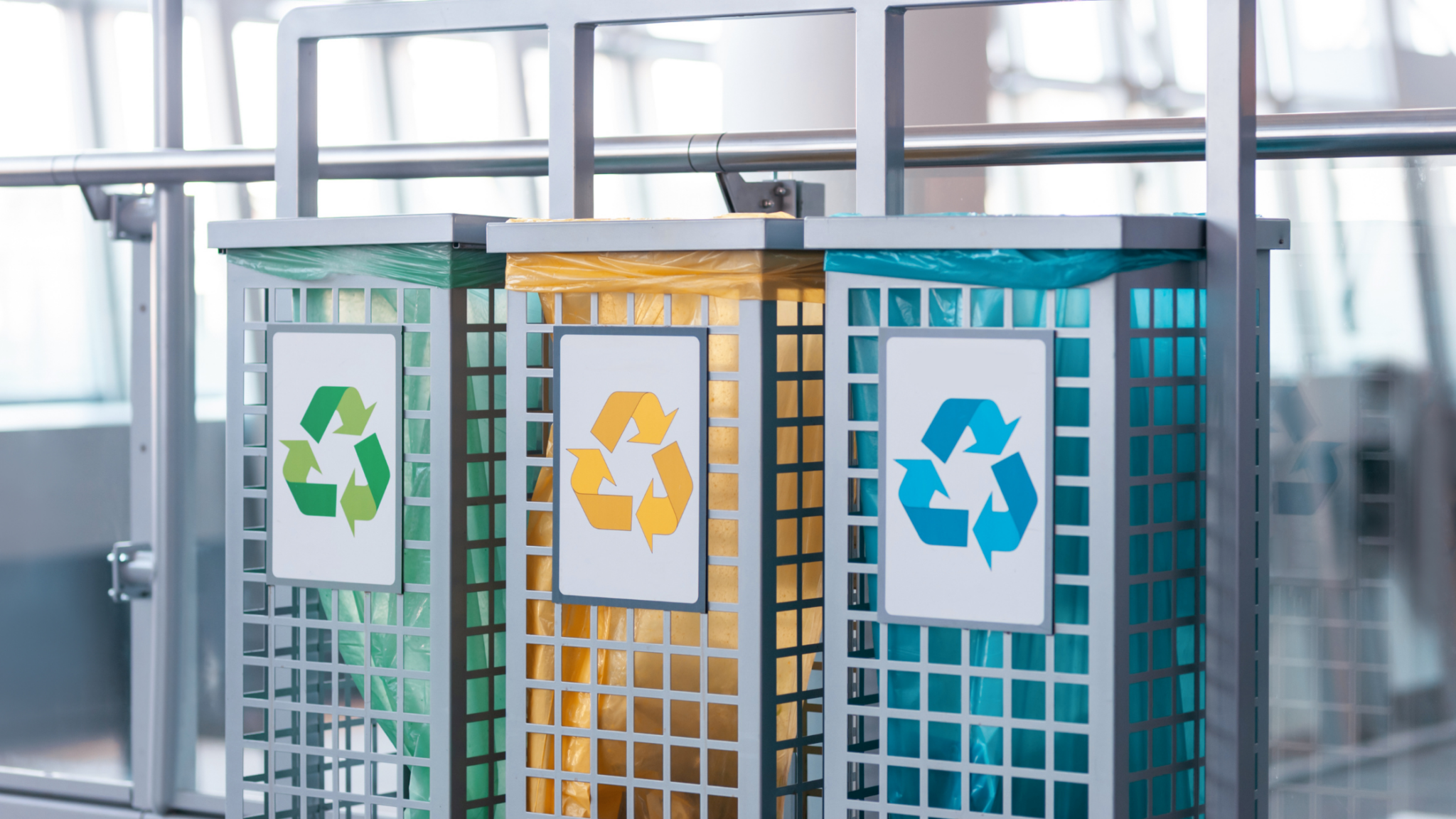
Waste reduction cannot be solved at the end of the evening if no one has planned for it. Create a clear waste strategy before the event. Confirm recycling options, composting if available, donation possibilities, floral collection, rental returns, packaging removal, and responsibilities for teardown. The venue, caterer, florist, rental company, and planning team should all understand the process.
Signage can help guests, but staff briefing is even more important. Waste stations should be discreet, clear, and easy to use. Leftover food policies should respect health regulations while avoiding unnecessary disposal. Flowers can sometimes be donated to care homes, hospitals, or community organisations when logistics allow.
Document what worked after the wedding. If a supplier created excessive packaging, note it. If a waste plan worked well, repeat it. Sustainability becomes easier when the planner treats it as a system, not a last-minute gesture.
8. Offer responsible registry and honeymoon guidance
A sustainable wedding can extend beyond the event itself. Couples may prefer a responsible registry, donations to environmental organisations, support for local artisans, experiences instead of objects, or contributions to a meaningful project. This can reduce unnecessary consumption while making the gift experience more personal.
Honeymoon planning can also be more conscious. Couples may choose slower travel, eco-certified accommodation, local experiences, lower-impact destinations, or a shorter but higher-quality trip. A planner does not need to become a travel specialist to raise these questions. Simply including them in the client conversation shows a more holistic level of care.
9. Position eco-friendly wedding planning as premium guidance
One of the most important business lessons is that sustainability should not be presented as a compromise. Eco-friendly wedding planning can be premium because it requires curation, expertise, supplier knowledge, and thoughtful editing. It helps couples spend better, not just spend less.
For planners, this can become a strong differentiator. Your website, proposals, and consultations should explain how responsible choices improve quality, reduce waste, support local professionals, and create a more meaningful celebration. The message should feel positive and elegant rather than moralising.
Professional resources from International Wedding Institute can help planners continue developing the business, communication, and operational skills needed to turn sustainability into a credible service promise.
FAQ: Eco-friendly wedding planning
Is an eco-friendly wedding more expensive?
Not always. Some sustainable choices cost more because they involve better sourcing or craftsmanship, while others reduce costs through renting, reusing, reducing waste, or simplifying logistics. The planner should help the couple prioritise.
Can a luxury wedding be eco-friendly?
Yes. Luxury and sustainability can work together when the event focuses on quality, responsible sourcing, refined design, and intentional guest experience rather than unnecessary excess.
What is the easiest sustainable change for a wedding?
Combining ceremony and reception in one venue, choosing local suppliers, reducing single-use décor, and using digital RSVP tools are among the easiest changes with visible impact.
How can planners convince couples to consider sustainability?
Frame sustainability as a way to create a more meaningful, better organised, and more refined wedding. Avoid guilt-based language. Show practical benefits, elegant examples, and flexible options.
Final thoughts
Eco-friendly wedding planning is not about removing pleasure from celebration. It is about designing with intelligence, care, and responsibility. When planners guide couples through better choices, they create weddings that feel beautiful in the moment and more respectful beyond it.
The most successful sustainable weddings are not defined by restriction. They are defined by intention. With the right venue, suppliers, design strategy, and communication, an eco-friendly wedding can feel premium, generous, and deeply aligned with the values of the couple.