How to Develop Creativity as a Wedding Designer: A Practical Guide for Professionals
A modern guide to creativity as a professional skill for wedding designers, planners, and creative entrepreneurs in the wedding industry.
PublishedRead 9 minBy Anne-Marie MECHERI
Creativity is often described as something mysterious, but in professional wedding design it becomes much more concrete. It is the ability to connect ideas, solve aesthetic problems, imagine atmospheres, and offer clients a visual direction that feels both personal and coherent.
For wedding designers, creativity is not simply about being original. It is about creating beauty within real constraints: venue architecture, weather, budget, guest flow, supplier availability, cultural expectations, and the couple’s emotional story.
How can a wedding designer develop creativity in a professional way?
A wedding designer can develop creativity by diversifying sources of inspiration, practicing observation, learning continuously, testing ideas before presenting them, and building a repeatable creative routine. Creativity is not only a gift; it is a soft skill that becomes stronger when it is trained with curiosity, discipline, and confidence.
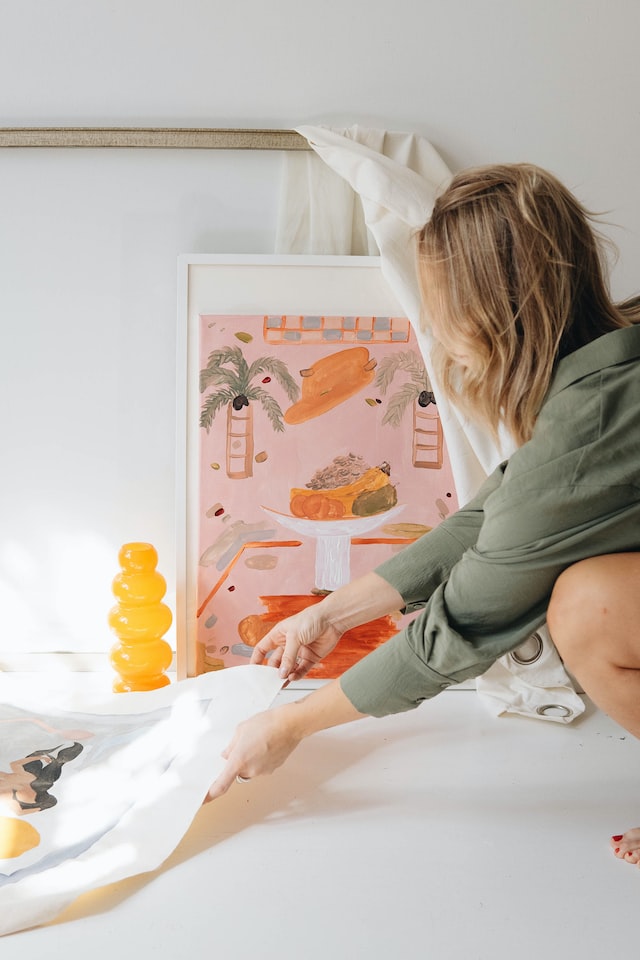
Wedding designer developing creativity through moodboards and visual researchCreative process notebook for wedding design inspiration
This article reframes creativity as a professional skill. It can be cultivated, protected, and transformed into a reliable design process that supports both artistic expression and client satisfaction.
Creativity as a soft skill in the wedding industry
A soft skill is a human capability that influences the way a professional thinks, communicates, adapts, and collaborates. Creativity belongs in this category because it helps wedding professionals find solutions where standard answers are not enough.
Creativity helps solve planning constraints
A wedding designer may need to make a small venue feel generous, create atmosphere with limited floral budget, adapt a ceremony space to bad weather, or reconcile different tastes within one couple. Creative thinking turns limitations into design decisions instead of treating them as obstacles.
Creativity grows through observation
The most interesting designers look beyond weddings. Architecture, fashion, hospitality, theatre, painting, nature, travel, tableware, perfume, and cultural rituals can all feed a richer visual vocabulary. The goal is to build references that are diverse enough to avoid repeating the same ideas.
Creativity needs confidence
A creative professional must be able to propose, explain, and defend ideas. Confidence does not mean arrogance. It means trusting the process enough to move beyond safe solutions and present concepts that are aligned with the couple, the venue, and the desired experience.
Creativity benefits from structure
A structured process does not kill creativity. It protects it. When research, moodboards, budget checks, supplier conversations, and revisions are organized, the designer has more mental space to imagine and refine the concept.
Five habits that strengthen creative thinking
Developing creativity is less about waiting for inspiration and more about creating the conditions in which ideas can appear. The following habits are simple, but they become powerful when practiced consistently.
Diversify your inspiration sources
Do not limit your research to wedding blogs and social media. Study boutique hotels, private dinners, art exhibitions, textile collections, gardens, interior design, cinema, and cultural ceremonies. A broader library of references makes your wedding concepts more distinctive.
Stay curious about the client’s world
A couple’s story may contain meaningful creative clues: a place, a family tradition, a shared passion, a color memory, a favorite city, or a way they host friends. Curiosity helps transform personal details into refined design ideas rather than decorative clich’s.
Keep learning new techniques
Workshops, books, mentoring, floral demonstrations, styling exercises, and design courses expand your possibilities. Learning does not remove personal style; it gives you more tools to express it professionally.
Take calculated creative risks
Premium wedding design often includes a memorable choice: an unexpected texture, a different ceremony layout, a bold table shape, or a restrained palette used with confidence. Risk becomes professional when it is tested, explained, and feasible.
Document your ideas before judging them
Many designers abandon ideas too early. Keep sketches, notes, references, and rough concepts before deciding what to present. A weak first thought can become strong after refinement, especially when combined with another reference.
Creative routines to try this week
Create a visual board from a non-wedding source such as a hotel, exhibition, or fashion collection.
Write ten design words for one venue before choosing any image reference.
Redesign a ceremony layout three different ways using the same budget constraint.
Collect textures, colors, and shapes from your everyday environment.
Practice explaining one design idea in a clear, client-friendly paragraph.
Schedule a short weekly review of what inspired you and why it felt relevant.
From inspiration to a professional creative process
Creativity becomes valuable for clients when it can be translated into decisions. A designer must move from references to concept, then from concept to materials, suppliers, timing, and installation.
Start with meaning before visuals
Ask what the celebration should feel like before asking what it should look like. Elegant, intimate, festive, architectural, poetic, organic, glamorous, or minimalist are not just adjectives; they guide choices in space, light, flowers, textures, and pacing.
Create a concept filter
A concept filter helps you decide what belongs in the wedding and what does not. If every idea is accepted, the design becomes diluted. A filter protects coherence and makes the final experience feel intentional.
Translate creativity into supplier language
Florists, rental teams, stationers, lighting designers, and venues need precise information. Moodboards are useful, but production requires dimensions, quantities, materials, colors, deadlines, and responsibilities.
Protect creative recovery
Wedding seasons can be intense. Creativity declines when the designer is constantly rushed, overstimulated, or emotionally drained. Space for rest, reading, walking, and visual exploration is not a luxury; it is part of sustaining creative quality.
How to apply this guidance in a premium wedding business
The search intent behind develop creativity is rarely purely theoretical. Readers usually want to understand the topic, evaluate whether it applies to their own project, and decide what to do next. For a premium wedding professional, the strongest response is to transform information into a visible client experience: clearer pages, better conversations, more precise offers, and a calmer planning process.
Audit your current level of clarity
Start by reviewing how clearly you can explain this subject to a client, learner, or vendor. If your explanation of develop creativity changes every time you speak, the offer or method probably needs refinement. Write the explanation in one paragraph, then remove vague words until the value becomes obvious.
Create a simple decision path
Premium guidance is not about overwhelming someone with every possible option. It is about helping them move from uncertainty to a thoughtful decision. Present the essential criteria first, then add nuance, examples, and professional recommendations so the reader feels supported instead of pushed.
Connect the topic to real wedding situations
A strong article should always return to practical reality. Explain how develop creativity affects timelines, budgets, communication, client expectations, vendor collaboration, creative choices, or business confidence. This connection is what turns general advice into expertise that feels credible.
Review and improve after each season
The wedding industry evolves through experience. After each season, revisit your content, tools, and service language. Keep what helped clients understand you faster, remove what created confusion, and add the details that would have made your last project smoother.
Semantic angles to strengthen search visibility
To support SEO without forcing keywords, build a semantic cluster around related ideas such as develop creativity, wedding designer creativity, creative process, soft skills, wedding design, creative entrepreneur. These connected terms help search engines understand the depth of the topic while giving readers a more complete and useful guide.
Informational intent
Informational searches come from readers who are trying to understand what develop creativity means, why it matters, and what mistakes to avoid. Answer these questions with definitions, examples, checklists, and clear explanations before introducing any offer or recommendation.
Comparison and decision intent
Decision-focused readers compare options. They want to know what is serious, what is superficial, what is worth paying for, and which path fits their situation. This is where transparent criteria, boundaries, and professional judgment create trust.
Soft conversion intent
Soft conversion happens when a reader feels understood enough to take the next step naturally. Instead of pushing, guide them toward a course, a consultation, a checklist, or a deeper resource only after the article has already delivered genuine value.
Quality indicators to monitor over time
A useful article about develop creativity should become easier to understand each time it is updated. Monitor whether readers spend time on the page, whether inquiries become more precise, whether the vocabulary matches real client questions, and whether the content still reflects the standards of a premium wedding business.
Reader confidence
The best sign of quality is not only traffic. It is the quality of the next conversation. When readers arrive with clearer questions, more realistic expectations, and a better understanding of your approach, the content is already supporting your business before the first call begins.
Creativity mistakes that limit a designer’s growth
Copying trends too closely
Trends can inspire, but copying them makes a design feel replaceable. Use trends as references, not as the identity of the event.
Presenting too many options
Clients need guidance. Too many options can create anxiety and make the designer look unsure of the direction.
Waiting for perfect inspiration
Professional creativity often begins before inspiration feels complete. Start with observation, constraints, and questions; ideas usually develop through action.
Making creativity a business asset
For learners who want to connect creativity with professional execution, a <a href="https://internationalweddinginstitute.com/fr/metier-du-mariage/le-metier-de-wedding-designer.html">wedding designer learning journey</a> can provide the structure needed to transform inspiration into moodboards, design decisions, client communication, and wedding day implementation.
Selected resources and references
The following resources are kept as clean, relevant anchors so the article preserves its reference value while remaining easy to read.
amazon.fr à A relevant external resource mentioned in the original article.
Frequently asked questions
Is creativity natural or learned?
Both. Some people feel naturally imaginative, but professional creativity can be developed through observation, practice, feedback, experimentation, and consistent exposure to diverse references.
Why is creativity important for wedding designers?
It helps designers create coherent, personal, and memorable experiences while solving constraints linked to venues, budgets, logistics, and client expectations.
How can I avoid creative blocks?
Change your source of inspiration, simplify the problem, sketch without judging, revisit the couple’s story, or step away briefly. Blocks often come from pressure, not lack of ability.
Should a wedding designer follow trends?
Trends can be useful when interpreted thoughtfully. The goal is to create a wedding that feels current without becoming generic or dated too quickly.
What is a simple daily creativity exercise?
Write morning pages, collect one visual reference, observe a space carefully, or redesign a small table concept in your mind. Small exercises build creative reflexes over time.
Continue exploring the blog
Return to the IWI blog to read more resources for wedding planners, wedding designers and modern wedding professionals.